


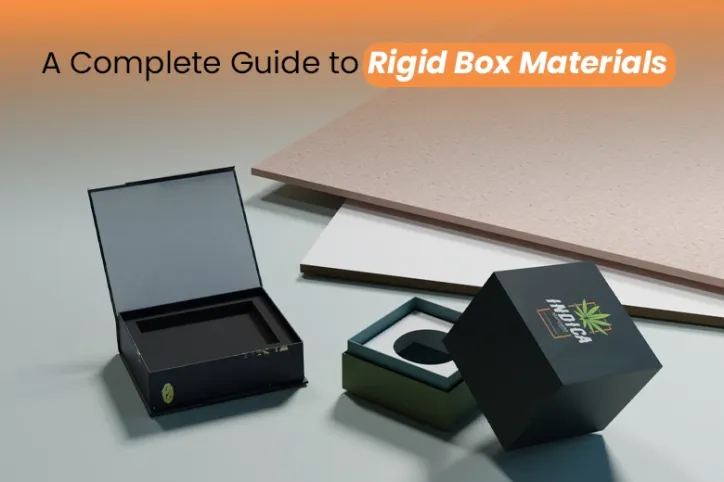

People often say, “What matters most is on the inside.” While this saying usually refers to inner beauty, it also fits product packaging. Customers may buy a product for what’s inside the box, but the packaging shapes their first impression.
Well-designed packaging protects the product, builds excitement, and creates a memorable unboxing experience. Poor packaging, on the other hand, can leave customers disappointed before they even use the product.
Brands that want to build a strong identity choose durable, premium materials like rigid stock for their packaging. These sturdy boxes reflect quality, protect valuable products, and show customers that your brand pays attention to every detail. This creates trust and reinforces your commitment to delivering a superior product.
This detailed guide will walk you through the types of rigid box materials, their thicknesses, and GSM levels. But first, let’s review what a rigid box is.
Let’s dive right in.
What is a Rigid Box?
A rigid box, also known as a setup box, is a type of packaging made from thick paperboard or chipboard to provide maximum protection for products. Unlike folding cartons, rigid boxes maintain their shape and do not collapse under pressure, preventing any dents while offering a premium feel.
Want to learn more about rigid boxes? Read our detailed guide on “what is a rigid box” for a better understanding.
Which Material is Used For Rigid Boxes?
Rigid boxes are made from the durable materials known as rigid stock. Rigid stock materials are made from two different materials that offer strength and a premium printing surface for printing custom artworks or branded messages.
These materials are a combination of thick cardboard or chipboard and specialty paper. The thick cardboard or chipboard serves as a base material to provide a sturdy structure, whereas specialty paper allows you to print your custom artwork on these boxes.
Now that you know “what is a rigid stock“, let’s discuss the types of rigid box materials.
Common Rigid Box Materials
When it comes to manufacturing rigid boxes, there are various materials to consider, such as base materials, wrapping paper, and insert materials. Each material plays an important role in making a rigid box a premium and luxurious vessel for the product inside.
Types of Rigid Box Materials For Rigid Boxes
The materials you use for your packaging send a direct message to consumers about your brand. This is why it is important to choose the right type of packaging material for rigid boxes.
Note: The rigid box materials are divided into two categories: base materials and specialty materials.
Here are the most popular options for rigid box base materials:
Thick Cardboard
Thick cardboard has a layer of compressed cardboard that provides sturdy structure. Generally, the compression of thick cardboard starts at 300gsm, and for a sturdy structure, you will need it to be 1200gsm.
This material offers excellent durability, premium appearance, and reliable protection for delicate or high-value products during handling and shipping.
Kraft Chipboard
Kraft chipboard is a popular rigid box material made from natural brown kraft paper fibers. It provides excellent strength while maintaining a lightweight structure.
Its eco-friendly composition, durability, and natural appearance make it ideal for luxury gift boxes, premium retail packaging, and sustainable rigid boxes that require both protection and an organic look.
Duplex Chipboard
Duplex chipboard is a rigid box material featuring a smooth white-coated surface with a grey or brown backing. The coated side produces vibrant, high-resolution printing, making it perfect for branded packaging.
It combines structural strength with an attractive finish, making it suitable for premium product boxes and presentation packaging.
Grey Chipboard
Grey chipboard is the most widely used material for manufacturing rigid boxes. Made from compressed recycled paper fibers, it offers exceptional thickness, stiffness, and durability.
Available in different GSM options, it forms the core of luxury rigid packaging for electronics, cosmetics, jewelry, and other high-end products that require maximum protection and a premium feel.
Now that you understand the base material used for rigid boxes, let’s explore the specialty wrapping paper options available for the outer finish.
Art Paper
Art paper is one of the most popular wrapping materials for rigid boxes because of its smooth surface and excellent print quality. It supports vibrant colors, sharp graphics, and premium finishes, making it ideal for luxury packaging.
It works well with foil stamping, embossing, debossing, spot UV, and lamination. Brands commonly use art paper for cosmetics, perfumes, electronics, jewelry, and premium gift boxes that require a polished and professional appearance.
Kraft Paper
Kraft paper gives rigid boxes a natural and eco-friendly appearance. Its earthy texture and brown color create a rustic look that appeals to brands focused on sustainability without compromising packaging strength.
It is commonly used for organic products, handmade goods, candles, food packaging, and eco-conscious retail brands. Kraft paper also supports custom printing, embossing, and foil stamping while maintaining its natural character.
Textured Paper
Textured paper adds a unique tactile finish that enhances the unboxing experience. It comes in different patterns and surface finishes, giving rigid boxes a sophisticated appearance without relying on heavy printing.
Luxury brands often choose textured paper for premium packaging because it creates an elegant feel. It is widely used for jewelry boxes, invitation boxes, perfume packaging, corporate gifts, and high-end presentation boxes.
Metallic Paper
Metallic paper gives rigid boxes a reflective surface that instantly creates a luxurious appearance. Its shimmering finish helps products stand out on retail shelves while adding depth and elegance to the overall packaging design.
It is frequently used for cosmetics, perfumes, premium beverages, holiday gift boxes, and limited-edition packaging. Metallic paper also pairs well with embossing, foil stamping, and spot UV for an even richer presentation.
SBS Paper
Solid Bleached Sulfate (SBS) paper features a bright white, smooth surface that delivers exceptional print quality. It produces crisp graphics and vibrant colors, making it a preferred wrapping material for premium retail packaging.
SBS paper is commonly used for cosmetics, skincare, pharmaceuticals, luxury food packaging, and presentation boxes. It supports high-end printing techniques and decorative finishes while maintaining a clean and professional appearance.
CCNB Paper
Clay Coated News Back (CCNB) paper is a cost-effective wrapping material with a coated printable front and a recycled grey back. It provides good print performance while helping brands reduce overall packaging costs.
CCNB paper is suitable for promotional packaging, lightweight retail products, electronics accessories, and everyday consumer goods. It offers an economical solution for achieving a premium appearance without using more expensive wrapping materials.
Difference Between Duplex Chipboard & Grey Chipboard
Greyboard and chipboard are two of the most common materials used to manufacture rigid boxes. Both create durable packaging, but they differ in strength, appearance, cost, and the type of products they are designed to protect.
Greyboard
Greyboard is the preferred material for luxury rigid boxes because of its high density, stiffness, and structural stability. It creates a solid box that feels premium in hand while providing excellent protection for valuable products.
It is commonly used for:
- Perfume boxes
- Candle boxes
- Jewelry boxes
- Electronics packaging
- Luxury gift boxes
- Collector’s edition packaging
Chipboard
Chipboard is another popular rigid box material that offers a practical and more affordable alternative. It provides reliable durability for lightweight products while helping brands keep packaging costs under control.
It is commonly used for:
- Cosmetic packaging
- Stationery boxes
- Fashion accessories
- Small gift boxes
- Lightweight retail products
- Promotional packaging
If your packaging requires maximum strength and a luxury presentation, greyboard is usually the better choice. However, if you need dependable packaging for lighter products while staying within budget, chipboard is an excellent option.
If you want to know how folding cartons differ from rigid boxes, read our detailed guide on folding cartons vs rigid boxes.
Rigid Box Material Thicknesses Options
The thickness of rigid box materials you select determines the overall strength and premium feel of your box. If you have failed to select the right thickness for your rigid box packaging, it is more likely to be ruined under pressure and damage the product stored inside.
The thickness for rigid box materials ranges from 800gsm to 2000gsm, or about 2mm to 3mm for heavier packaging.
The best thickness depends on the box structure, the product’s weight, and the shipping method.
Here is the breakdown for common thicknesses of rigid box packaging materials:
| Rigid Board Thickness | Recommended For | Popular Packaging Uses |
| 800gsm to 1000gsm | Lightweight products and compact items | Stationery boxes, beauty sample boxes, small gift packaging, fashion accessories |
| 1200gsm to 1500gsm | Medium-weight products requiring added strength | Skincare packaging, candle boxes, jewelry boxes, luxury retail packaging |
| 1800gsm to 2000gsm | Premium products with moderate weight | Perfume boxes, electronics packaging, premium gift sets, luxury presentation boxes |
| 2mm to 3mm Greyboard | Heavy or high-value products needing maximum protection | Watch boxes, collector’s edition packaging, rigid presentation boxes, high-end electronics packaging |
How To Choose The Right Thickness For Custom Rigid Boxes?
It is important for brands to select the right thickness levels for their custom rigid boxes. Their box structure depends on it.
Here are some of the tips that you should follow when you’re choosing rigidboard thickness for custom rigid boxes:
- Start by measuring your product’s weight before selecting the board thickness.
- Choose a thickness that matches the overall size of your rigid box.
- Consider how the box will be stored, shipped, and handled during transit.
- Select thicker rigid board for fragile, heavy, or luxury products.
- Use medium board thickness for lightweight products and everyday retail packaging.
- Pick a thickness that supports the premium look and feel of your brand.
- Test a sample box to confirm its strength before mass production.
- Avoid using thicker board unless your product actually requires the extra support.
Interior Lining & Insert Materials
The inside of a rigid box is equally important as the outside. A good insert can keep the product safe during transit and make it presentable in retail settings.
Using the right type of box insert is an important part of making your product look premium. Just like the box comes in various materials, custom box inserts also come in various materials, each with its own unique characteristics.
Here are the box insert options:
- Cardboard Inserts: Lightweight cardboard box inserts securely separate and hold products in place, preventing movement while improving presentation inside rigid packaging.
- Molded Pulp Inserts: Eco-friendly molded pulp inserts provide excellent cushioning for fragile products while offering sustainable protection during storage and shipping.
- EVA Foam Inserts: EVA foam inserts deliver superior shock absorption and a premium presentation, making them ideal for luxury, fragile, and high-value products.
- Velvet & Fabric Lining: Velvet and fabric linings add a soft, luxurious interior that enhances product presentation while protecting delicate items from scratches.
Common Rigid Box Material Among Popular Industries
Every product has different packaging requirements, so the right material combination depends on what you are packing. Lightweight products require different materials than heavy or fragile items to ensure proper protection and presentation.
Below is a table with each popular industry that uses rigid boxes for their products:
| Product Category | Recommended Rigid Box Materials |
| Cosmetics & Skincare | Greyboard or chipboard wrapped with printed art paper and paired with paperboard or molded pulp inserts. |
| Perfumes & Candles | Thick greyboard wrapped in textured paper with EVA foam or molded pulp inserts for added protection. |
| Jewelry & Watches | Greyboard combined with specialty wrapping paper and finished with velvet lining or EVA foam inserts. |
| Electronics | Thick greyboard with durable wrapping paper and molded pulp or EVA foam inserts for maximum protection. |
| Gift Sets | Medium to thick greyboard wrapped in decorative paper with paperboard or cardboard inserts to organize products. |
| Tea, Chocolate & Food Gifts | Greyboard or chipboard wrapped with kraft or art paper, along with custom inner trays when additional support is required. |
Final Thoughts
Choosing the right rigid box material is about more than appearance. The right combination of board thickness, wrapping paper, and inserts protects your products while creating a premium unboxing experience that customers remember.
Whether you need sustainable packaging, luxury presentation, or maximum product protection, selecting suitable materials helps your packaging perform as expected. By understanding each material’s strengths, you can confidently design rigid boxes that reflect your brand, improve customer satisfaction, and leave a lasting impression.
Frequently Asked Questions
How does greyboard thickness affect rigid box strength?
Thicker greyboard creates stronger, more durable rigid boxes. It improves dent resistance and corner strength but also increases box weight and shipping costs.
Does greyboard density matter?
Yes. Density is just as important as thickness. High-density greyboard resists pressure better and keeps box edges and corners in perfect shape.
When should you use art paper for rigid boxes?
Choose art paper for vibrant printing, sharp graphics, and accurate brand colors. It works well with matte, gloss, and UV coatings for added protection.
Which specialty papers are used for luxury rigid boxes?
Luxury rigid boxes use textured, cotton, metallic, pearlescent, soft-touch, and dyed papers. These papers create a premium look but may increase production time.
Why is EVA foam used in electronics rigid boxes?
EVA foam absorbs shocks and keeps products secure during shipping. Custom-cut inserts hold each item firmly while protecting delicate electronic parts.


