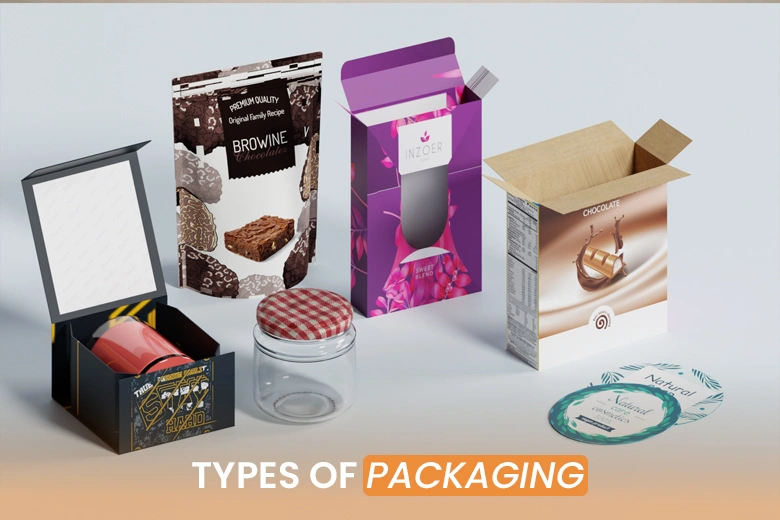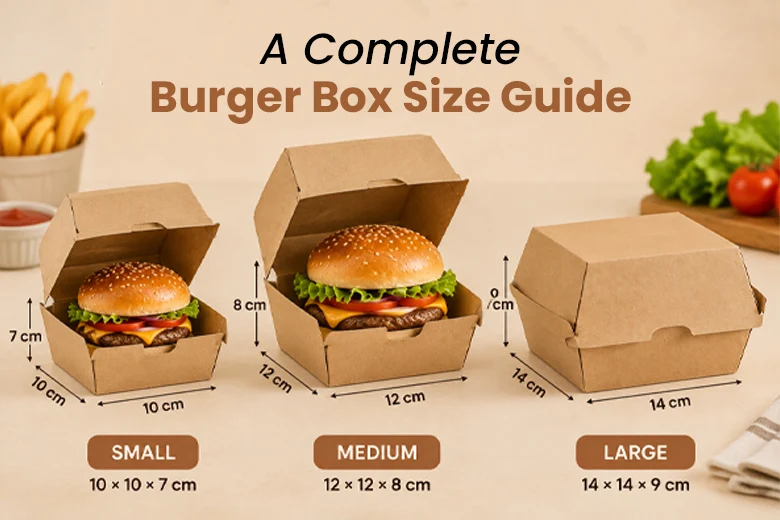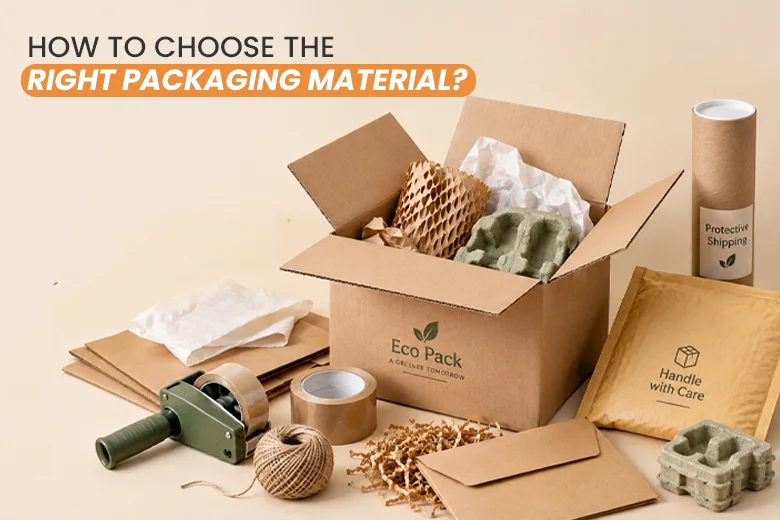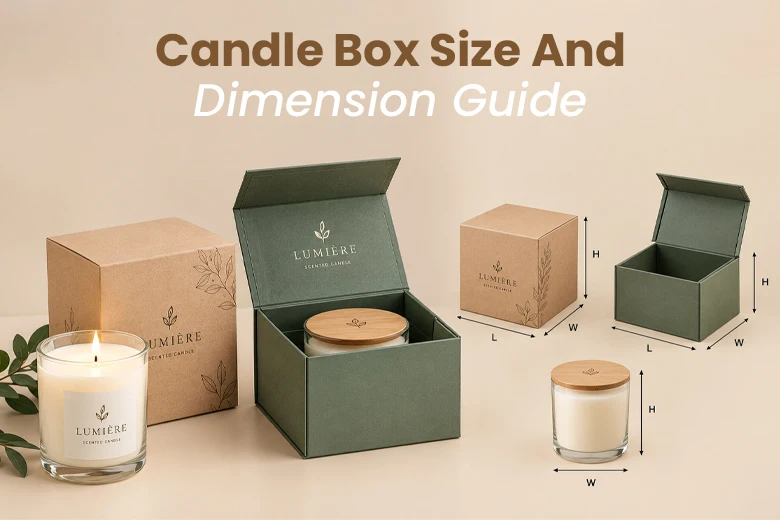


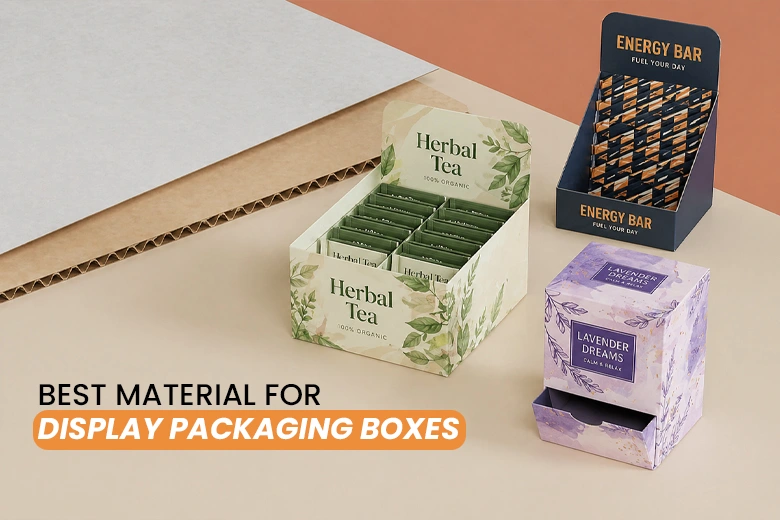

What influences customers to purchase a product on retail shelves? It’s the display packaging that allows them to view and experience the product before they make a purchase.
Many brands choose display boxes to showcase multiple products in a single display, which increases the likelihood of making more sales.
In retail stores and marts, when a customer spots your product, it initially happens through the display packaging. So, it has become essential for a brand to have aesthetically pleasing display boxes that attract customers and are built to last.
So how can you make appealing display boxes for your brand, and what material is best for them?
This guide will walk you through choosing the right material, how it affects your product’s appearance on the shelf, and how customers perceive your brand’s value.
What are Display Boxes?
Before we dive into which materials to choose for display packaging boxes, let’s first understand what they are. They are specialized containers that help to showcase multiple products at once, usually at the “Point of Purchase.” They are not like standard packaging; they are designed to showcase products, draw customers’ attention, and drive purchases.
The main purpose of these boxes is to help your product stand out on shelves and counters and make it easier for customers to purchase it.
What Makes a Material “Best” for Display Boxes
With so many custom display box options available, such as counter-top display boxes, shelf-ready display boxes, perforated boxes, and more, the only thing that determines their service life and overall performance is the material you choose to work with.
So what makes a material “best” for display boxes?
Here are the key factors to look for when searching for the best materials for these boxes:
- Strength: Durable enough to maintain structure, protect contents, and withstand stacking, handling, and transport without collapsing or deforming
- Print quality: Accepts high-resolution printing, enabling sharp graphics, vibrant colors, and consistent branding across batches
- Cost efficiency: Low material and production costs, lightweight for reduced shipping expenses, and scalable for bulk manufacturing
- Eco-friendliness: Widely recyclable, often made from renewable or recycled fibers, and biodegradable under proper conditions
- Customization flexibility: Easily cut, folded, coated, or shaped into various sizes and designs
When performance, cost, sustainability, and design all matter at once, the cardboard display boxes quietly prove it’s not just suitable; it meets every one of these demands with unmatched balance.
Types of Display Box Materials
When choosing material options for display boxes, you need to know the full product information to make the right decision.
There are three best material options for custom display boxes, such as:
Corrugated Cardboard:
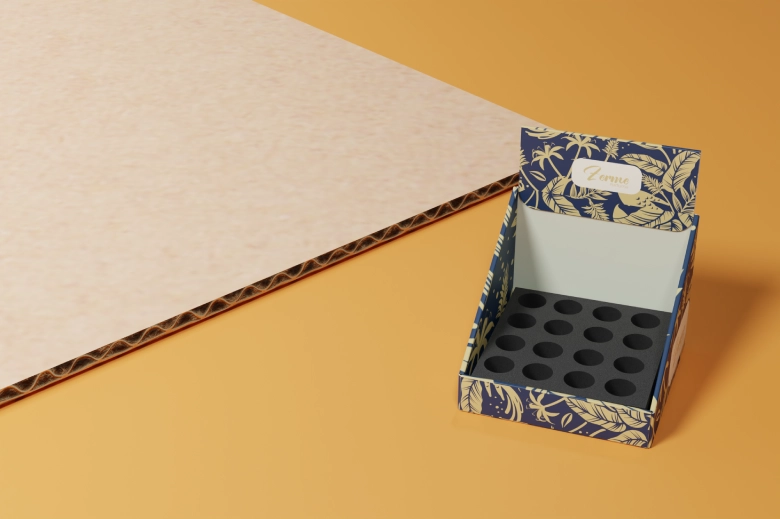
Corrugated material is known for its durability during shipping and handling. It consists of a fluted layer (the wavy part) found between two flat linerboards. Flute sizes can range from A to F. The most common flute types used to manufacture these boxes are B-flute (1/8″) or E-flute (1/16”).
Many brands choose corrugated cardboard as their primary material for display boxes because corrugated display boxes can hold multiple heavy products without sagging due to their structural integrity.
Here’s what makes corrugated cardboard an ideal material for display packaging:
- Strong and durable
- Fluted layered structure
- Ideal for shipping and display
- Best for heavy or bulk products
Paperboard:
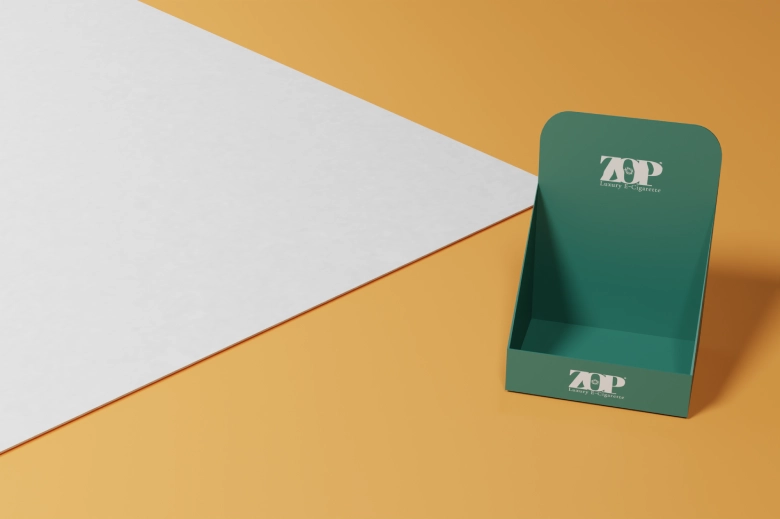
Paperboard is a lightweight material that is designed for presentation, making it ideal for brands that rely on visual appeal. Paperboard display boxes offer a clean, smooth surface that enhances printing quality and helps products stand out in competitive retail environments where appearance influences buying decisions.
- Smooth surface finish
- Excellent for premium printing
- Lightweight and easy to handle
- Best for retail and cosmetic items
If branding and shelf appeal matter more than strength, paperboard is the better option.
Kraft Cardboard:
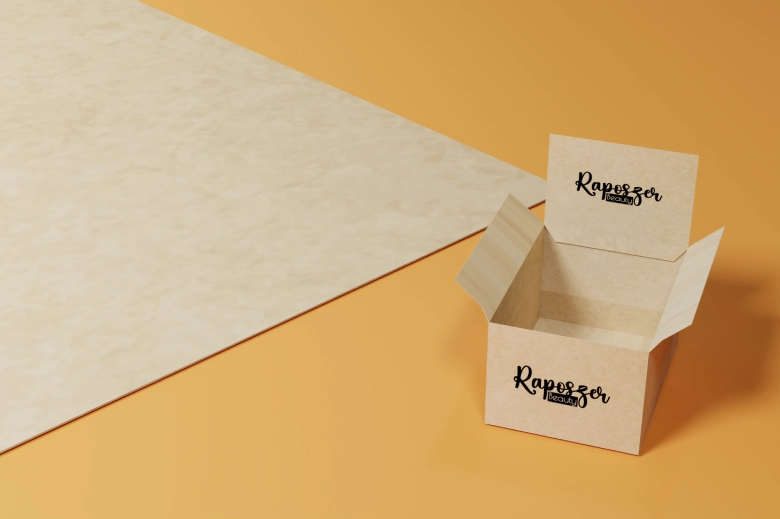
Kraft cardboard is a strong choice for brands focused on sustainability and natural aesthetics. The raw look and eco-friendly properties of kraft display boxes appeal to modern consumers who value environmentally responsible packaging without sacrificing basic strength and usability.
- Eco-friendly material
- Natural, rustic look
- Fully recyclable and biodegradable
- Ideal for organic and sustainable brands
Which Material is Best for Displaying Products?
Choosing among paperboard, corrugated, and kraft is not a matter of preference. It is about matching the material to your product weight, branding goals, and retail environment. Each option solves a different problem, so picking the wrong one leads to either wasted cost or poor performance.
| Feature | Paperboard | Corrugated | Kraft Cardboard |
| Durability | Flexible & Lightweight | Rigid & Heavy-Duty | Sturdy & Resilient |
| Load Bearing | Small Retail Items | Bulky/Multi-pack Goods | Medium-weight Goods |
| Print Finish | Ultra-HD & Sharp | Standard Branding | Raw & Minimalist |
| Presentation | High-End Luxury | Solid & Reliable | Earthy & Authentic |
| Eco-Footprint | Recyclable | High Recycled Content | Maximum Sustainability |
| Budget Tier | Cost-Effective | Premium Durability | Value-Oriented |
| Best Application | Countertop Dispensers, Gravity Feeders, & Point-of-Sale Boxes | Floor Standees, Power Wings, & Shelf-Ready Shipper Trays | Boutique POP Displays & Eco-conscious CBD Packaging |
Key Takeaways for Selection
- Choose Paperboard if your goal is a smooth, high-end finish, such as matte soft-touch or gold-foil accents, for a premium unboxing experience.
- Choose Corrugated if the product is traveling long distances and requires the protection of a fluted inner layer to prevent crushing.
- Choose Kraft if your brand identity is built on sustainability; it provides a tactile, “earthy” feel that resonates with eco-conscious consumers.
Printing & Finishing Options
Most people stop at choosing the material for their display boxes. You can pick the right material for your box, but you might get ignored if you haven’t chosen the right printing and finishing options.
Choosing the right finishing and printing options for your branded display packaging boxes can help you enhance how your customers perceive your brand and products.
Here’s what to consider:
Matte vs Gloss Lamination:
When it comes to coating options, matte and gloss lamination are the most popular options for these boxes. Both coating options come with their own unique characteristic that helps in enhancing their appeal.
Matte finish creates a soft, premium, non-reflective look ideal for luxury brands that rely on subtlety, control, and clean visual presentation. Whereas a gloss finish adds shine, enhances colors, and improves visibility, making products stand out more effectively in crowded retail environments with strong lighting.
CMYK vs Pantone (PMS)
CMYK printing is used for most display boxes. It combines four colors to create full designs and works well for detailed artwork.
However, Pantone (PMS) is used when exact color matching is critical. It ensures your brand colors stay consistent across every box.
If your branding is strict and color-sensitive, PMS is the safer option. For general designs, CMYK is more cost-effective.
Spot UV and Foil Finishing
These finishes are used to highlight specific parts of your design instead of the entire surface.
Spot UV adds a glossy effect to selected areas, such as logos or product names. It helps draw attention where it matters. Whereas foil stamping adds a metallic finish and creates a more premium look. It is often used for high-end products that rely on visual appeal.
Both options should be used with control. Overuse reduces impact and increases cost without improving results.
What Should You Focus On?
Printing and finishing should not be chosen randomly. They should support your product’s positioning in retail.
- If visibility matters, go for finishes that enhance brightness and contrast.
- If brand perception matters, keep the look clean and controlled
- If both matter, balance is key
The right combination of material and finishing does not just improve appearance. It directly affects how your product performs on the shelf.
Need to learn more about display boxes? Check out our detailed guide on “what are display boxes” to understand better.
Common Mistakes to Avoid When Choosing The Right Material
Most brands end up choosing the wrong material for their display packaging because they overthink or focus on the wrong factors.
Here are the common mistakes that cost performance:
- Ignoring Product Weight: Choosing lightweight materials for heavier products can cause packaging to get damaged or collapse during the display.
- Focusing Only on Looks: Most brands focus on the box’s appearance, but in reality, the box’s structure can fail due to weaker materials.
- Choosing the Same Materials for Shipping & Retailing: Most brands select the same material for both shipping and retailing. Corrugated cardboard is perfect for shipping and displaying heavier items, but it’s not ideal for retailing, so selecting the right material for retailing is vital.
- Using Premium Material: Not every product needs high-end paperboard. Using expensive material for low-margin or bulk products increases cost without adding real value.
- Pricing: When choosing the material options, don’t go over the budget for your packaging. Ensure that the cost of display boxes does not exceed your budget. This will help you get the perfect packaging within your budget.
Why Cardboard Display Boxes Are the Best Choice?
Cardboard display boxes offer a balanced solution for most retail packaging needs. They are cost-effective, making them suitable for both small and bulk orders without increasing overall expenses.
They are highly customizable, allowing brands to adjust size, structure, and design based on specific product requirements. Cardboard also supports high-quality printing and finishing, which helps improve product presentation on retail shelves.
In addition, it is recyclable, making it a practical choice for brands focused on sustainability. As demand grows, cardboard display boxes can be scaled easily without creating production challenges, making them a reliable option for long-term use.
Are you looking for custom display boxes made from high-quality materials with free shipping and design support at affordable prices? Choose us. We are a renowned display box manufacturer serving 2,600+ satisfied clients worldwide for their packaging needs. So if you need help from the experts, then Custom Box Makers is your go-to place.
Frequently Asked Questions
Which material is strongest for display boxes?
Corrugated cardboard is the strongest due to its fluted layered structure, providing high durability and load-bearing capacity for heavy products and shipping.
Are cardboard display boxes durable?
Yes, cardboard display boxes are durable; when properly designed, they maintain their structure and protect products during handling and retail display.
What is the cheapest material for display packaging?
Paperboard is the cheapest option because it is lightweight, uses less material, and is cost-effective for retail display packaging.
Can display boxes be eco-friendly?
Yes, display boxes can be eco-friendly, particularly kraft cardboard, which is recyclable, biodegradable, and made from renewable materials.