


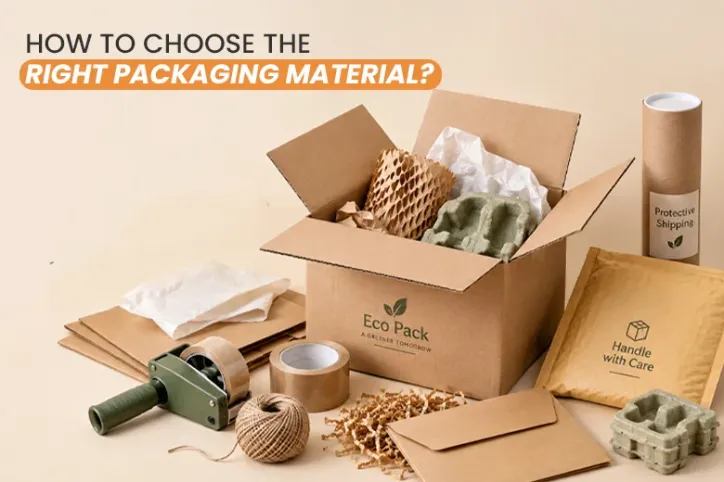

Overview: Choose the right packaging material by matching your product’s weight, fragility, shipping needs, budget, sustainability goals, and desired presentation with suitable options such as cardboard, kraft, corrugated cardboard, rigid stock, or paperboard.
The best packaging material depends on your product and box type. If you choose the wrong packaging material, it will likely damage your product and its appearance.
Choosing the right packaging material helps streamline your process and ensure a positive customer experience with the packaged good.
In this blog post, I will explain why packaging matters, what to look for when choosing the right packaging materials, and when to choose each type of packaging material.
Let’s dive in.
Why Packaging Matters
Packaging matters because it creates a lasting impression on your customers. Make sure each product your customers receive arrives securely at their doorstep.
Packaging matters in your product life cycle because it helps extend shelf life and enhances overall appeal. That is why you must choose the best possible packaging for your product.
Here’s why packaging matters:
- Protect your products: Your packaging should protect your products from damage during shipping and handling. Choosing the right packaging materials helps reduce product damage and the cost of replacing damaged items. Also consider the destination’s climate and choose temperature-controlled packaging when needed.
- Safety: Your packaging should keep your products and the people handling them safe. Choose packaging materials that meet applicable FDA regulations, when required.
- Improve customer experience: The right packaging helps create a positive customer experience. You can choose packaging materials based on your customers’ needs. For example, you can add product instructions or recycling information to make your packaging more useful.
- Design and branding: Your packaging creates the first impression of your product. Choose packaging materials that match your brand and make your products look attractive. Well-designed packaging can also encourage customers to share their unboxing experience on social media.
- Secure storage: If you store your products in a warehouse before shipping, choose packaging materials that protect them from damage. The right packaging helps keep your products safe during storage and transportation.
- Retail displays: If you want to display your products in retail stores, choose packaging materials that make your products look attractive to customers. Make sure your shipping packaging is also strong enough to protect your products so they arrive at the store in good condition.
Want to learn more about packaging? Read out our detailed guide on “What is packaging?” for a better understanding.
What Should You Look For When Choosing The Packaging Material?
When you are selecting packaging material for your product, you have to make sure that you consider the following factors:
Durability
If your product is fragile or breaks easily, use thicker packaging. Thicker packaging materials help protect fragile products from outer damage. However, if your product is not fragile, lightweight materials can also do the job.
If your products are fragile or can easily break during shipping, here’s what you should consider:
- Extra protection: Choose custom packaging with inserts that hold your products securely inside the box. This helps prevent products from moving around and getting damaged during shipping.
- Proper labeling: Add a fragile label to the outside of your packaging. This lets couriers and customers know that they need to handle the package with care.
- Right material strength: If your products are heavy or have small, fragile parts, choose strong packaging materials, such as corrugated cardboard that can support their weight and protect them during shipping.
Product Weight
When selecting packaging materials, make sure they fit your product life cycle and protect your product regardless of its weight.
When choosing packaging materials, consider your products’ weight. Different products require different types of protective packaging. For example, corrugated packaging can protect both lightweight and heavier products during shipping.
If you sell similar products with different weights, such as appliances with additional attachments, check each product’s weight before choosing packaging materials.
You should also check the shipping cost based on your product’s size and weight without packaging. After adding the packaging, weigh your product again to see how much it affects your shipping cost. This helps you decide whether you should choose lightweight packaging materials to reduce shipping costs while keeping your products safe.
Sustainability
When choosing packaging materials, consider their environmental impact. You can choose recyclable materials like kraft paper and cardboard to reduce packaging waste. Using the right amount of packaging material also helps you avoid unnecessary waste.
Choose materials that protect your products while meeting your sustainability goals. You can also add recycling instructions to your packaging to help customers dispose of it properly.
Customizability
Your packaging should match your product requirements and brand identity. Choose packaging materials that let you customize the size, shape, design, and printing to fit your needs.
For example, you can choose kraft paper for a natural look, cardboard for lightweight product packaging, and rigid stock for luxury products.
You can also add your brand logo, colors, and special finishes to make your packaging more attractive. The right material helps you create packaging that fits your products perfectly.
Cost-Effectiveness & Convenience
When choosing packaging materials, consider your budget and packaging requirements. Choose materials that protect your products without increasing overall packaging costs.
Lightweight packaging materials can help reduce shipping costs, while durable materials can prevent product damage and replacement expenses.
You should also choose packaging that is easy to assemble, store, and ship. This helps you save time, simplify your packaging process, and improve your overall business operations.
Now that you know what to consider when choosing packaging materials. Let’s talk about when to choose each type of packaging material.
When to Choose Cardboard
Cardboard is a good option if you want lightweight and affordable packaging for your products. It is commonly used for retail packaging because it is easy to print, cut, and customize.
Here’s when you should choose cardboard:
- When you need lightweight packaging for small products.
- When you want custom printing and branding on your boxes.
- When you need affordable packaging for retail products.
- When your products don’t require heavy-duty protection.
Make sure you choose the right cardboard thickness according to your product’s weight.
When to Choose Kraft Stock
Kraft stock is a good choice if you want packaging with a natural brown appearance. It is commonly used for products that need simple, attractive, and recyclable packaging.
Here’s when you should choose kraft stock:
- When you want natural-looking packaging for your products.
- When you need packaging for soaps, cosmetics, or retail products.
- When you want to add simple printing or your brand logo.
- When you prefer recyclable packaging materials.
Choose the right thickness and protective features to keep your products safe.
When to Choose Corrugated Cardboard
Corrugated cardboard is a good option if you want strong packaging to protect your products during shipping. Corrugated boxes have a fluted layer between flat paper liners that helps provide cushioning and strength.
Here’s when you should choose corrugated cardboard:
- When you need shipping boxes for your products.
- When you want to protect fragile or heavy products.
- When you need packaging for eCommerce deliveries.
- When your products require extra protection during transportation.
Make sure you choose the right corrugated flute type and board strength according to your product’s weight.
When to Choose Rigid Stock
Rigid stock is a good choice if you want strong and premium packaging for your products. It is thicker than regular folding carton material and is commonly used for luxury packaging.
Here’s when you should choose rigid stock:
- When you need luxury packaging for premium products.
- When you want packaging for jewelry, perfumes, or gift items.
- When you want to add special finishes like embossing or foil stamping.
- When you need a rigid box that maintains its shape.
Choose rigid stock that matches your product’s size and weight.
When to Choose Paperboard
Paperboard is a good option if you need lightweight packaging that is easy to fold and customize. It is commonly used for folding cartons and retail product packaging.
Here’s when you should choose paperboard:
- When you need packaging for cosmetics, food, or small retail products.
- When you want boxes that are easy to fold and assemble.
- When you need custom printing for product information and branding.
- When you want to reduce packaging weight and storage space.
Make sure you choose the right paperboard grade for your product’s protection requirements.
Still Confused? Consult With Experts
Still wondering which packaging material is perfect for your product? Don’t sweat it. Consult with our packaging experts at Custom Box Makers. Our experts can help you choose the perfect packaging materials for your custom boxes to protect and present your products flawlessly.
Final Takeaways
Choosing the right packaging material is important to protect your products and improve customer experience. Consider your product’s weight, size, protection needs, and budget before selecting a material.
Whether you choose cardboard, kraft, corrugated cardboard, rigid stock, or paperboard, the right packaging material helps keep your products safe and makes your packaging more attractive.

