

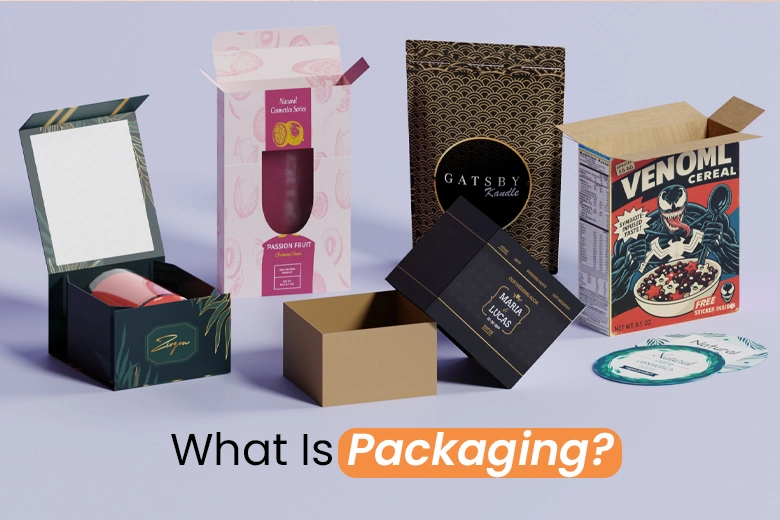

Packaging is all around us. Any product you buy at the market comes to you in specific packaging that holds the product for consumers. From breakfast cereals to the Amazon package you receive at your door, and even the new iPhone you hold, it comes in packaging. Packaging has become a part of our daily lives.
Great packaging can do more than simply hold a product. It offers countless benefits, communicating your brand value and enhancing the customer experience.
In this blog post, I will walk you through what packaging is and why it matters, including materials, packaging types, and more.
What is Packaging?
Packaging is something that you see your product arrive in. In simple words, the basic definition of packaging is:
“Packaging is referred to as any material or layer that is used to wrap or contain a product for transportation, presentation, and protection.”
Packaging falls into three main types: primary, secondary, and tertiary packaging. Before we dive into the types of packaging, let’s understand why packaging matters.
Why is Packaging Important?
Packaging serves multiple purposes beyond just protection. It also plays a crucial role in how a product is marketed. It affects consumers and sellers in different ways. Good packaging strongly influences people who use your product; for a seller, it’s also an opportunity to advertise. Some of its essential functions are
- Preservation: For perishable items, packaging helps maintain freshness and extends shelf life.
- Containment and Convenience: Packaging keeps products organized and easy to carry anywhere. From resealable pouches to neatly stacked boxes, each option makes life easier.
- Information: With a custom label, your packaging can clearly communicate the product’s purpose and key instructions. This can help prevent misuse or accidents by providing safety warnings and expiry or manufacturing dates.
- Branding and Marketing: Packaging also influences purchase decisions; on retail shelves, a product with packaging that clearly communicates its value will always win. This means you can have the best product in the world, but if your packaging is poor or fails to justify what is inside, it is a flop.
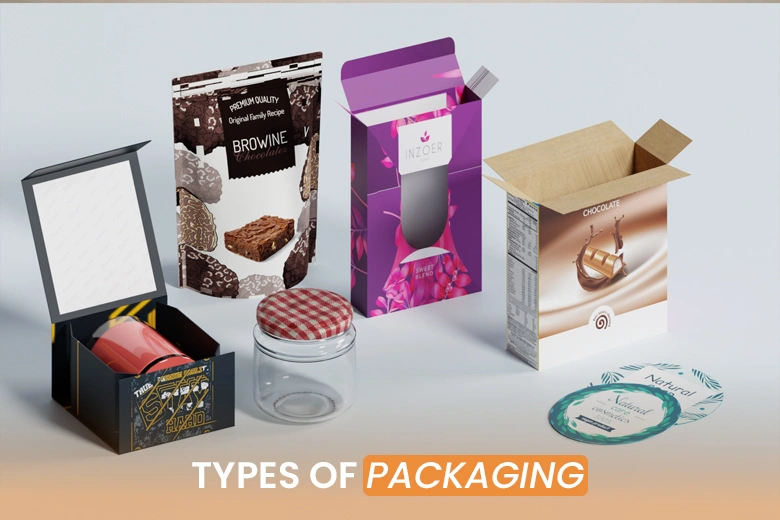
Types of Packaging
Among the many types of packaging, three major classifications are separated by their usage, application, and position in the supply chain.
1. Primary Packaging
Primary packaging is the first layer that directly contacts the product itself. Its purpose is to ensure hygiene, preserve freshness, and provide essential information such as ingredients, usage, MFG and EXP dates, or warning labels.
It’s the most personal layer for the customers as they interact with it every time they use the product. Examples include a chocolate wrapper, a juice bottle, or a cereal box. Its major purpose is to protect the product and provide the relevant information about it.
2. Secondary Packaging
Secondary packaging simply holds multiple primary packaging units together. The main purpose is to protect, ship, or even handle your primary packaging units in a warehouse. This type of packaging plays an important role in branding and retail presentation.
You can find this type of packaging in displays or ecommerce shipments. This packaging is a great opportunity for brands to strengthen their identity, create an unforgettable unboxing experience, and streamline logistics.
For example, a cardboard box holding multiple soda bottles or a bundle of snack bags held together in a paper bag. It supports smart storage, handling, and sometimes display.
3. Tertiary Packaging
Tertiary packaging is used for bulk handling and transportation. Common tertiary packaging includes shipping cartons, pallets, or crates. It focuses on safety during shipping and transportation rather than marketing, branding, or display.
Although customers usually do not see this packaging layer, it plays an important role in reducing product damage, lowering shipping costs, and improving handling efficiency.
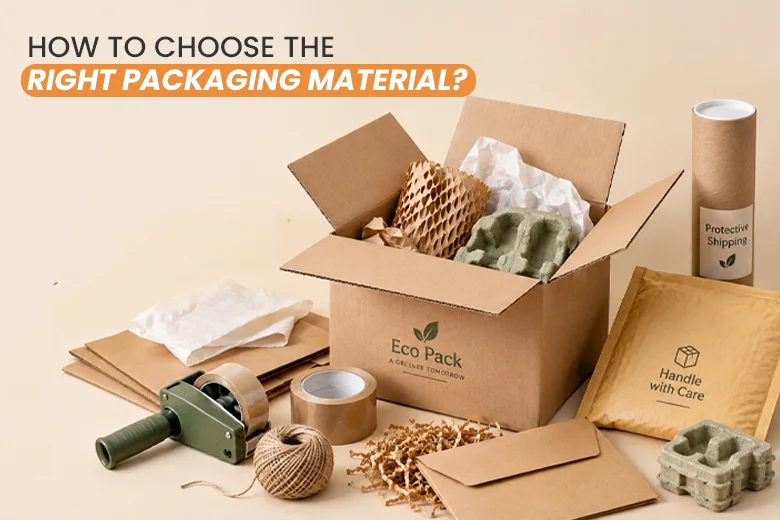
Types of Packaging Materials
Packaging materials are carefully selected because they directly affect protection, sustainability, and perception.
1. Plastic
Flexible, durable, and airtight plastic containers are a common primary packaging option. Commonly used for bottles, pouches, and protective films, as these options interact directly with the product itself. Plastic is mostly considered non-recyclable, but some plastic types can now be recycled.
2.Paperboard
Lightweight, easy to print on, recyclable, and widely used for custom boxes, paperboard is the most common material used globally for both primary and secondary packaging. Some of the common types of boxes include tuck-end, mailers, rigid, and pillow boxes.
3. Aluminum
Lightweight, durable, and moisture-resistant, aluminum is commonly used for cans, foil wraps, trays, and containers. It helps protect products from light, air, and contamination. Aluminum is also recyclable, making it a practical option for food, beverages, pharmaceuticals, and other products.
4. Glass
Premium and reusable, this type of material is often used for beverages, cosmetics, and gourmet food jars as primary packaging. Some consumers also repurpose glass jars or containers for decoration purposes.
5. Corrugated Cardboard
Strong and lightweight, corrugated cardboard is commonly used for shipping boxes, mailer boxes, and outer packaging. Its fluted layer provides extra cushioning and helps protect products during storage and transportation. It is widely used for secondary and tertiary packaging because it is durable, recyclable, and easy to customize.
6. Metal
Strong and protective, typically used in cans, tins, and aerosol containers that demand an extra preservation guarantee to keep and maintain the pressure inside. Examples include sprays.
7. Wood
Wood is mainly used for heavy-duty packaging, shipping crates, pallets, and large containers. It provides strong support for heavy or fragile products during transportation and storage. Wooden packaging is commonly used in tertiary packaging, especially for industrial goods, machinery, and products that require extra protection during long-distance shipping.
8. BoPET
BoPET is a strong and lightweight polyester film commonly used for flexible packaging, labels, mylar bags, spout pouches, and protective layers. It resists moisture, oxygen, and tearing, helping products stay protected longer. BoPET is often used in food, beverage, pharmaceutical, and cosmetic packaging.
9. Biodegradable and Eco-Friendly Materials
These are not plastic, glass, or metal; they are other materials extracted from nature. Plastic-based products are compostable or recycled to minimize environmental impact and promote sustainability.
What is Packaging in Marketing?
Packaging is one of the most powerful marketing tools a brand can use to target its audience. It can work as a silent salesperson and become a part of the product experience.
- Brand Identity: Colors, materials, shapes, and finishes communicate what the brand stands for, from luxury, fun, eco-consciousness, or simplicity.
- Consumer Attraction: Appealing packaging draws attention, whether on shelves or online. No matter how helpful your product is, if the packaging doesn’t grab attention or convince the audience, it will stay on the shelves.
- Customer Experience: Luxury products often include unboxing experiences. Soft linings, ribbons, or carefully folded inserts will make the purchase feel worthy.
How Packaging Adapts Across Different Industries
When packaging serves different purposes, it also looks different across industries. For example,
Packaging for High-Value Products
When products are expensive, delicate, or meant to feel premium, their packaging must reflect that experience. It is crucial first to understand what luxury packaging is and its importance.
Rigid velvet linings and metallic accents, or subtle pastel and minimal customizations, can work too. Together, these elements communicate “quality” long before the item is opened.
This type of packaging also offers strong physical protection, keeping items like perfumes and jewelry safe during movement.
Food Packaging
Packaging for edible items serves different purposes and plays a primary role in safety and preservation. Food packaging, its types, and FDA compliance are important factors when choosing packaging for your products.
Depending on the food, materials like foil, plastic film, cardboard, or glass are used. Labels carry all the relevant information, such as ingredients, precautions, etc.
Beyond safety, food packaging also supports convenience through resealable pouches, portion-controlled containers, and oven-friendly trays.
Packaging for CBD or Sensitive Products
Some products require privacy. Especially CBD items, adult products, medical goods, or anything customers prefer to receive without much attention. Knowing what discreet packaging is can be a lifesaver.
This packaging solution is simple, plain, and free of branding that could reveal where the package was sent. This style is also practical for businesses shipping regulated or sensitive items that must remain confidential, where privacy is a priority.
Pharmaceutical Packaging
Unlike other packaging uses, which are intended for medicinal purposes, packaging for medicinal products must follow strict rules because they deal with human health. Medicines usually come in packs that protect them from moisture, temperature changes, and contamination.
Blister packs, sealed pouches, tamper-evident seals, and child-resistant boxes are commonly used here. Clear information, dosage, warnings, and batch numbers should be written clearly, with hygiene as the top priority.
Key Packaging Elements That Are Used & Affect It
Certain factors strongly influence how people perceive your packaging and how it works for your audience. These may seem minor; however, they can have a major impact.
1. Packaging Inserts
Packaging inserts are internal supports that keep your products stable. Their role is solely structural. This means they stop items from shifting during transportation and keep multiple pieces from rattling or bumping into one another.
Packaging inserts and how to properly integrate them into your packaging require consideration. Common examples include foam trays, molded pulp, cardboard dividers, and die-cut cushions.
For electronic items or glass products, businesses and brands use custom inserts to keep products in the same condition they were packed.
2. Sustainable Packaging
The more sustainable the packaging, the more consumers will prefer it. The benefits and examples of sustainable packaging are now evident everywhere.
These compostable, reusable, and recycled packaging materials reduce environmental impact and benefit both consumers and the earth. They include kraft paper, recycled-fiber cardboard, and plant-based materials. The goal is simple: use fewer resources without compromising product safety. Many brands are now leaning toward it and working to minimize waste and their carbon footprint.
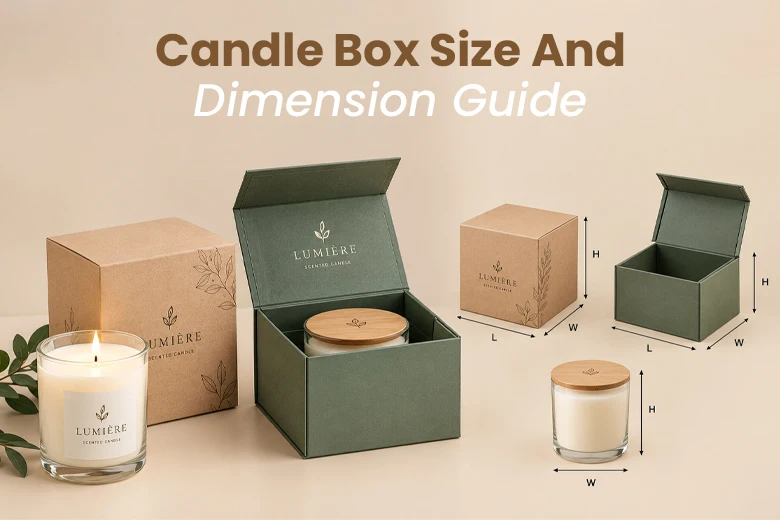
3. Types of Boxes & Materials
Different industries rely on box styles that have proven reliable over time. Rigid boxes offer firmness for delicate or premium items.
Folding cartons are lightweight and used for everyday retail goods. Corrugated shipping boxes are ideal for long-distance shipping and protect heavier products.
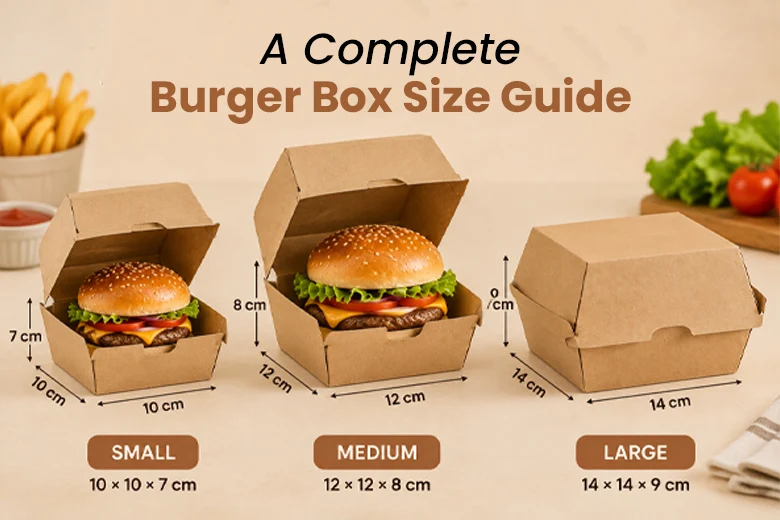
Mailer boxes provide a sturdy option for e-commerce because they lock securely and travel well. Each box type serves a different need, making it easier for businesses to match the proper structure to the right product.
Product Packaging Design
Steps to successful product packaging begin with understanding the product’s nature, weight, surface sensitivity, and handling requirements.
With that information, brands choose a material that meets those needs while staying within budget. The structure must be easy to open and close, lightweight, hold the product safely, and remain intact throughout transportation.
Colors, textures, and printing, or you can say the overall branding, come later but are equally crucial for the product’s unique identity. The final design should feel natural to interact with and not difficult to open, making frustration-free packaging unnecessary.
You can also read our design checklist guide to create the perfect packaging for your products.
Labeling & Essential Information
If labeling or packaging information is wasteful, it will mislead consumers and foster distrust. Instead, it should be easy to read and understand.
In regulated industries, labels must follow strict rules so users can rely on them for accuracy and avoid confusion that might lead them to switch brands.
Branding & Visual Identity
Branding turns packaging into a recognizable part of the product experience. Every visual element, from the color palette to the typography, contributes to how customers remember your brand. For instance, soft pastels can suggest calmness or closeness to nature, while bold shapes instantly convey energy.
Functionality & User Experience
Focusing on visuals does not mean you have to compromise on packaging functionality. Some packaging experts can offer 360-degree solutions under one roof.
Functional packaging can also include easy-to-open tabs, resealable strips, handles, spouts, or even window cutouts. These small features can make a big difference. Good functionality means customers do not struggle to open, store, or carry the packaging.
Protective Features
Protective characteristics are added to a package when products need extra care. These include tamper-evident seals, shock-absorbing layers, moisture barriers, and extreme-temperature coatings.
Each protective layer serves a purpose, keeping the product stable, untouched, and safe to use. Products like cannabis or weed need packaging that is hard for children or any other person to open; for this, there are child-resistant locks that can be integrated.
Final Thoughts
At the end of the day, packaging is really about making sure your product reaches people safely and leaves a good impression. It’s the first thing customers see, and it can say a lot about your brand. When you choose packaging that fits your product and feels thoughtful, it helps customers trust you and enjoy the experience a little more.