


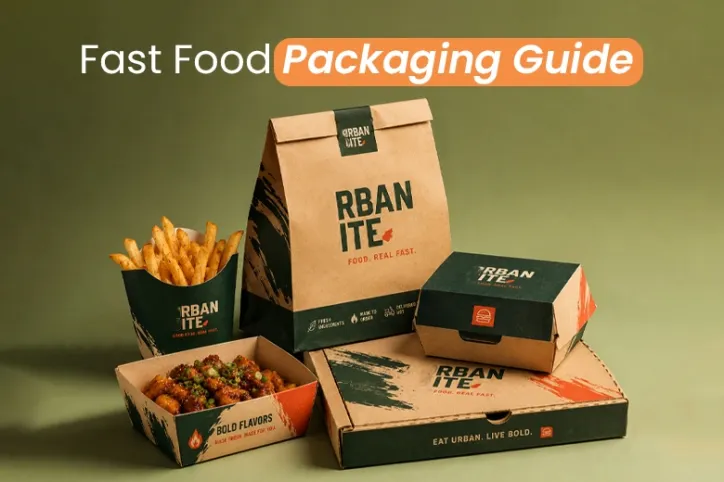

Almost everyone loves fast food. Whether it’s fried chicken, fish and chips, french fries, burgers, or pizza, everybody just can’t get enough of them. It’s no surprise that most fast-food chains are among the most well-known, largest, and richest businesses. Take McDonald’s as an example: it is the largest chain restaurant business worldwide, and it’s not about how their product tastes, it’s about how they keep their product fresh till it reaches customers’ hands. So if you are in the fast-food business and are looking to make a name for yourself, you need fast-food packaging that not only attracts customers but also keeps your product safe for longer.
In this detailed guide to fast food packaging, we will cover all aspects of packaging so you can make a better decision when selecting your next packaging.
Let’s dig in.
What is Fast Food Packaging?
Fast food packaging refers to the boxes, bags, wrappers, trays, cups, and containers used to store, protect, transport, and serve ready-to-eat food. It helps maintain food quality, freshness, and temperature while making handling easier for customers. Beyond protection, fast food packaging also plays an important role in branding, marketing, and creating a positive customer experience.
Do you want to know about food packaging and its standards? Read our detailed guide on “what is food packaging”, and learn how you can create your own packaging as per standard.
What are the Material Options for Fast Food Packaging?
Fast food packaging is made from food-safe, food-grade, and sustainable materials, depending on product needs. The most common types of packaging materials for fast-food packaging are as follows:
- Plastic & Bioplastics: Plastic and bioplastic packaging are lightweight, moisture-resistant, and durable. It is commonly used for cups, lids, containers, and wraps to keep fast food fresh, secure, and easy to carry.
- Paperboard: Paperboard is a versatile, printable material widely used for fast-food boxes, trays, and cartons. It offers a smooth surface for branding while providing reliable protection for food products.
- Kraft Stock: Kraft stock is a strong, eco-friendly material made from natural fibers. Its rustic appearance appeals to environmentally conscious customers and is commonly used for wraps, boxes, and takeaway packaging.
- Cardboard: A sturdy, cost-effective packaging material suitable for burgers, sandwiches, and meal boxes. It protects food during transport while offering excellent opportunities for custom printing and branding.
- Corrugated Cardboard: Corrugated cardboard features fluted layers that provide extra strength and insulation. It is ideal for larger food orders and delivery packaging, helping maintain product integrity during transportation.
- Molded Fiber: Molded fiber packaging is made from recycled paper materials and offers excellent sustainability benefits. It is commonly used for drink carriers, trays, and containers due to its durability and compostability.
- Aluminum & Specialty Materials: Aluminum and specialty materials provide superior heat retention and protection. They are often used to wrap hot foods, preserve freshness, and prevent grease or moisture from compromising packaging performance.
- Biodegradable & Compostable Materials: Biodegradable and compostable materials break down naturally after disposal, reducing environmental impact. They offer a sustainable packaging solution for businesses looking to meet growing consumer demand for eco-friendly options.
Different Types of Fast Food Packaging

There are various types of fast-food packaging depending on the product you want to store in them. Here are the most common types of food packaging for fast food items:
Plastic Containers
Plastic containers remain among the most widely used fast-food packaging solutions due to their durability, affordability, and convenience. They are commonly used for salads, rice dishes, desserts, sauces, and takeaway meals.
These containers help protect food from spills and contamination while maintaining freshness during transport. They come in various shapes and sizes, offering a practical packaging option for many food service businesses.
Pros and Cons of Plastic Containers
Plastic packaging and containers are still used across various fast-food sectors for many reasons. However, these packaging solutions come with their pros and cons. Some of them are below:
| Pros | Cons |
| Strong and durable | Causes environmental pollution |
| Keeps food fresh longer | Takes a long time to break down |
| Lightweight and easy to carry | Low recycling rates |
| Available in many shapes and sizes | Can release chemicals when overheated |
| Clear options let customers see food | Harms wildlife if not disposed of properly |
| Affordable compared to other materials | Made from non-renewable resources |
| Leak-proof and convenient to use | Adds to landfill waste |
Custom Boxes
Custom boxes are widely used for packaging burgers, fries, sandwiches, meals, and other takeaway foods. They offer excellent protection, branding opportunities, and convenience for customers.
Mostly, custom packaging boxes are made from the following materials:
- Paperboard: Lightweight with a smooth surface for high-quality printing.
- Kraft: Eco-friendly material with a natural and sustainable appearance.
- Cardboard: Durable and versatile for everyday fast food packaging.
- Corrugated Cardboard: Strong material that provides extra protection for deliveries and larger orders.
These materials allow businesses to create packaging that not only protects food but also enhances brand recognition and improves the overall customer experience.
Pros and Cons of Custom Boxes
Custom boxes made from sustainable materials have become the most popular in the fast-food industry, as many are looking for eco-friendly options. However, there are some pros and cons to them as well.
| Aspect | Pros | Cons |
| Barrier Properties | Recyclable, reusable, and environmentally friendly | Poor resistance to moisture and air without coatings |
| Environmental Impact | Reduces plastic waste and is preferred by eco-conscious consumers | It can take time to decompose in landfills and may produce methane gas |
| Practical Use | Suitable for many food products and easy to customize | Requires additional coatings or liners for greasy and wet foods |
Metal Packaging
Metal packaging is widely used in the fast food industry because it offers excellent protection against air, moisture, and light. Common applications include beverage cans, sauce containers, foil wraps, and food storage containers.
| Metal Type | Common Uses | Key Benefits |
| Aluminum | Foil wraps, cans, pouches, caps | Lightweight, rust-resistant, highly recyclable |
| Tinplate (Coated Steel) | Food cans, rigid containers | Strong, leak-resistant, recyclable |
| Tin-Free Steel | Cans and containers | Durable, corrosion-resistant, cost-effective |
| Stainless Steel | Reusable containers, kegs | Long-lasting, rust-resistant, food-safe |
Aluminum foil is commonly used to wrap burgers, sandwiches, and other hot foods to help retain heat. Metal cans and containers are frequently used for beverages, sauces, and ready-to-eat food products.
Pros and Cons of Metal Packaging
Here are some of the pros and cons of metal packaging:
| Pros | Cons |
| Strong and durable | More expensive than paper or plastic |
| Excellent barrier against air, light, and moisture | Heavier than some packaging materials |
| Helps extend food shelf life | May rust if protective coatings are damaged |
| Highly recyclable | Cannot be composted |
| Good heat retention | Some containers require internal plastic linings |
| Suitable for long-term storage | Higher transportation costs due to weight |
Popular Fast Food Packaging Products
Fast food packaging plays an important role in serving and delivering meals. From dine-in orders to takeout and delivery, the right packaging helps protect food, maintain freshness, and improve convenience.
Here are some of the most popular fast food packaging products:
Burger Boxes
They are designed to keep burgers fresh, secure, and easy to carry. Burger boxes help prevent spills, retain heat, and protect ingredients during transport. These boxes come in custom sizes to provide a convenient packaging solution for restaurants, takeout services, and food delivery businesses.
Sandwich Boxes
Sandwich boxes offer a practical way to package and present sandwiches while maintaining freshness. They protect sandwiches from damage, keep ingredients intact, and make handling easier. These boxes are commonly used by cafes, delis, bakeries, and fast-food outlets for takeaway and grab-and-go meals.
French Fry Boxes
They are specially designed to hold fries securely while allowing easy access for customers. Their open-top structure makes serving convenient, while the packaging helps keep fries warm and crisp. Custom French fry boxes are widely used by fast-food restaurants, food trucks, and takeaway businesses.
Chinese Takeout Boxes
Chinese takeout boxes are versatile packaging solutions used for noodles, rice, stir-fries, and other meals. Their leak-resistant design helps contain food safely during transport. Easy to carry and store, these boxes are popular among restaurants offering takeout and delivery services.
Pizza Boxes
Pizza boxes are essential for protecting pizzas during delivery and takeaway. They help retain heat, prevent contamination, and provide enough support to keep pizzas intact. Pizza boxes come in various sizes to perfectly fit small, medium, and large pizzas in custom shapes.
Paper Food Tray
Paper food trays provide a simple and convenient way to serve snacks, fries, burgers, and other fast-food items. Lightweight yet durable, they allow easy food handling and quick service. These paper food trays are commonly used at restaurants, food stalls, sporting events, and festivals.
Fried Chicken Boxes
Fried chicken boxes are designed to keep chicken fresh, warm, and easy to transport. They offer enough space for multiple pieces while helping reduce mess and leakage. These boxes are widely used by fast-food chains, takeaway restaurants, and food delivery services.
Fast Food Packaging Box Styles
There are several box styles used in the packaging industry for fast-food packaging. However, some of the most popular ones are as follows:
Clamshell Packaging
Clamshell packaging is commonly used for burgers, sandwiches, fries, and fried chicken. Its hinged design allows easy opening and closing while keeping food secure. It helps retain heat, prevents spills, and is ideal for fast food takeaway and delivery services.
Roll End Tuck Top
Roll-end tuck-top boxes are used for sandwiches, fried chicken, wraps, and lightweight meals. They offer strong locking tabs and easy assembly. This style ensures product protection, improves stacking strength, and keeps food fresh during transport and handling.
Gable Boxes
Gable boxes are used for combo meals, fried chicken, snacks, and party meals. Their built-in handle makes carrying easy. They provide good storage space, secure closure, and are ideal for takeout, delivery, and promotional food packaging.
One-piece Corrugated Mailer Box
One-piece corrugated mailer boxes are used for pizzas, meal kits, and heavier fast-food items. They offer strong protection, heat retention, and durability. Their foldable design ensures safe delivery, stacking efficiency, and product freshness during transportation.
Testing & Customizing Fast Food Packaging Before Using Them
Before you start using your fast-food packaging boxes, make sure they are perfect to work with. The purpose of fast-food packaging is to serve and deliver food safely and protected while appealing to customers’ eyes.
So you have to test it and customize it accordingly.
Testing of Your Fast Food Boxes
The first thing to do is to test your food boxes. How? Try using each container with real menu items and see how it holds up. If you see any cracking in the boxes or grease leakage, it means it’s not up to standard. However, if none of that happens during the test, your fast-food packaging has passed and is good to go for the next step.
Customizing Fast Food Boxes
As mentioned earlier, fast-food boxes are not just about protecting and delivering food items; they also help your brand grow. So, how does fast-food packaging help a brand grow? By customizing food packaging boxes. These packaging boxes can be customized with branded artwork and a logo to enhance brand identity, leaving a lasting impression on customers.
FDA Guidelines & Key Certifications for Fast Food Packaging
FDA guidelines ensure that fast food packaging is safe for direct food contact and does not transfer harmful substances into food. These rules focus on using approved materials, proper manufacturing practices, and maintaining hygiene standards throughout production. Packaging must be non-toxic, food-grade, and resistant to heat, moisture, and grease to protect food quality during storage and delivery.
Key certifications and standards often include:
- FDA Food Contact Compliance for ensuring materials are safe for direct food use
- ISO 22000 for food safety management system certification
- BRCGS Packaging Certification is a global standard for packaging safety and quality
- FSC Certification for ensuring paper materials come from responsibly managed forests
- SGS Testing Approval for verifying material safety and performance
These certifications help fast food brands build customer trust while ensuring safe, high-quality packaging for everyday use.
Where to Get Customized Fast Food Packaging?
Are you looking for reliable, durable fast-food packaging for your freshly served items? Look nowhere else. Custom Box Makers have you covered with all your food packaging needs. We provide high-quality, fully customized packaging solutions designed to keep food fresh, secure, and visually appealing. We offer flexible options to meet the needs of restaurants, takeaways, and food delivery businesses.
So why wait? Order now!
Frequently Answered Questions
Which Packaging Keeps Food Hot & Fresh For Longer Periods?
An insulated container with airtight lids keeps food warm until your customers eat it.
How can I choose the right packaging for my food business?
Choosing the right packaging for your food business depends on the type of fast-food product you want to store. For example, clamshell boxes are perfect for serving burgers as they keep them fresh and retain their texture during deliveries.
Can fast food packaging be customized with a logo?
Absolutely, you can print a branded logo and artwork on fast-food packaging to enhance brand recognition.
Can I use fast-food boxes for both serving and delivery?
Some fast-food boxes are designed for both purposes. However, to deliver fast-food items, you have to use packaging made from thick, sturdy materials, such as corrugated cardboard.
