


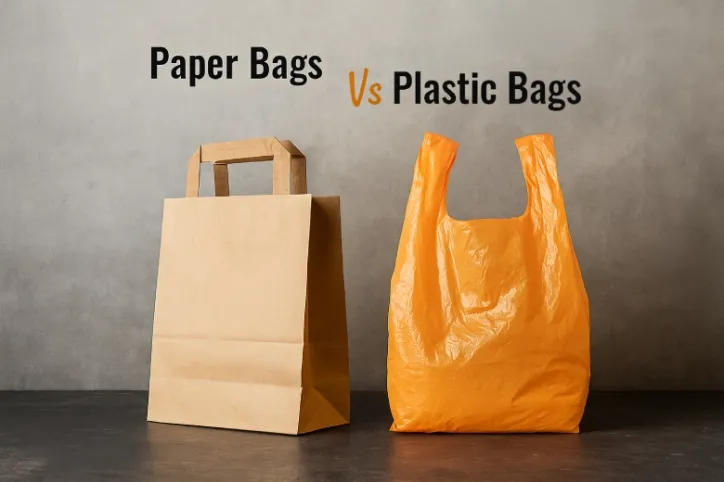

There’s no denying the ongoing perceptions about using paper bags and plastic ones. Choosing the right type of bag for your business is more than just a packaging decision; it’s a strategic move. Another essential thing is that it’s more about a statement of your brand’s values.
In today’s eco-conscious world, businesses are increasingly asking: “Should we use paper bags or plastic bags?” Each option comes with its pros and cons. Let’s break down each option to help you make an informed, sustainable choice that aligns with your business goals.
A Brief History of a Bag
Bags have been part of human life for centuries. From cloth sacks to leather pouches, the evolution of bags reflects changes in technology, commerce, and lifestyle.
However, the modern debate centers around two materials: paper and plastic. Understanding their origins will help us appreciate their impact today.
When Was the First Plastic Bag Invented?
A Swedish engineer, Sten Gustaf Thulin, invented the first plastic bag in 1965. He actually developed a method to create a simple, yet strong and lightweight, bag using polyethylene. By the 1980s, plastic bags had become renowned in grocery stores worldwide due to their low cost and convenience. However, their environmental impact soon became a significant concern.
The Beginning of Paper Bags
Paper bags date back to the mid-1800s. Francis Wolle, who was an American inventor, created the first paper bag-making machine in 1852. These bags were initially used for grocery shopping and retail packaging.
Over time, paper bags became a symbol of eco-friendliness, especially as concerns about plastic pollution grew.
Types of Paper Bags

Thanks to technological advancements, custom paper bags are now used for a wide range of purposes.
The most renowned types of these bags are included:
- SOS (Self-Opening Sack) bags, designed to stand upright, are ideal for grocery bags, takeout, or event giveaways
- Bakery bags for packing a variety of bakery goods like cookies, pastries, sandwiches, and more.
- Paper gift bags are stylish, functional, and eco-friendly.
- Food paper bags are made using FDA-approved materials to ensure safety and compliance for every food item.
Paper vs Plastic Bags: Pros and Cons
Of course, there are always pros and cons of using paper or plastic bags.
Here are some pros and cons you should consider.
| TYPE | PROS | CONS |
| PAPER |
|
|
| PLASTIC |
|
|
Are paper bags better than plastic bags?
Considering the pros and cons above, you may now wonder: “Are paper bags better than plastic?”
Well, paper bags are generally better than plastic for environmental reasons.
To make an informed decision for your business, check out the table below.
| Feature | Paper Bags | Plastic Bags |
| Production Energy/Resources | High – requires water, energy, and trees | Low – but made from non-renewable resources |
| Biodegradability | Yes – decomposes naturally | No – persists for hundreds of years |
| Reusability | Low – limited reuse potential | Low – usually single-use |
| Pollution Contribution | Less than plastic | Major contributor to ocean and land pollution |
| Environmental Impact | Moderate – made from renewable resources but energy-intensive | High – made from petroleum and non-biodegradable |
Paper Bags Vs Plastic Bags: Which Bag Is Best for Your Business?
Any business still has this question: “Why are plastic bags better than paper bags?”
The answer is that when choosing between paper bags and plastic bags, it’s essential to consider each option.
It’s not easy to directly compare different types of bags. Furthermore, choosing between paper and plastic bags depends on your business’s values and priorities. If you care about the environment, paper bags are biodegradable and help reduce ocean pollution. They’re a better choice for eco-conscious shoppers. If you’re focused on cost and convenience, plastic bags are cheaper and lighter.
How to Choose the Right Paper Bag?
Selecting the right paper bag depends on several key factors, including its intended use, material composition, and eco-friendliness.
To help your business choose the best paper bags, consider the following factors.
Know Your Purpose
Choose a paper bag based on its use. If you need it for packing grocery items, it should be strong and durable. Meanwhile, gift bags can be light and decorative. For food delivery, look for bags with thermal insulation to keep your food warm and fresh. If you want to display products, SOS bags with clear windows are a great option.
Select the Right Material
Recycled paper bags are a great way to reduce waste and support eco-friendly goals. Alternatively, you can opt for unleashed bags, which are ideal for organic brands and businesses that prioritize reducing chemical use and promoting natural decomposition.
Check Durability
Ensure the bag is sturdy enough for its intended purpose. Heavy-duty paper bags are perfect for carrying groceries or bulky items. Additionally, look for well-constructed designs that will not tear easily.
Explore Branding Options
Want to promote your business? Choose customizable paper bags from a reputable manufacturer, such as Custom Box Makers. Adding your logo or design wth an embossing or debossing technique helps boost brand visibility and consumer experience.
Think About the Planet
Choose bags that are compostable or made from recycled materials to lower your carbon footprint. Consider the full life cycle—from production to disposal—to make a responsible choice.
Match the Bag’s Quality with Budget
Premium bags may cost more, but they offer better branding and a more appealing consumer experience.
Choose the Right Size
Select the bag size that best suits your needs. Small bags are ideal for gifts, while large ones are better suited for groceries or takeout. Avoid oversized bags to reduce waste and extra costs.
Look for Convenient Features
Handles, gussets, and transparent windows add convenience and style. While grease-resistant or thermal layers are great for food delivery. These features improve functionality and consumer satisfaction.
By considering the factors above, you can select the best paper bags that meet your needs, support your brand, and help protect the environment. Whether for retail, food service, or events, wise choices lead to sustainable results.
In Summary
There is no doubt that there are ongoing perceptions about using paper bags versus plastic ones. Of course, there are always pros and cons of using paper or plastic bags.
Considering the pros and cons, paper bags are generally more environmentally friendly than plastic bags.
Furthermore, choosing between paper and plastic bags depends on your priorities. If you care about the environment, paper bags are biodegradable and help reduce ocean pollution. They’re a better choice for eco-conscious shoppers. If you’re focused on cost and convenience, plastic bags are cheaper and lighter.
Hopefully, this post helps your business to make an informed decision!
FAQs
When was the first plastic bag invented?
A Swedish engineer, Sten Gustaf Thulin, invented the first plastic bag in 1965.
When was the beginning of paper bags?
Paper bags date back to the mid-1800s. Francis Wolle, who was an American inventor, created the first paper bag-making machine in 1852.
What are the types of paper bags?
There are several main types of paper bags, including SOS (Self-Opening Sack) bags, bakery bags, paper gift bags, and food paper bags.
Which bag is best for businesses?
Choosing between paper and plastic bags depends on your business’s values and priorities.. If you care about the environment, paper bags help reduce ocean pollution. If you’re focused on cost and convenience, plastic bags are cheaper and lighter.
