



Shipping baked goods is not as simple as placing them in a box and sending them through a courier.
Cakes can slide, cupcakes can lose their frosting, brownies can dry out, and delicate pastries can break under pressure. The right shipping method depends on the type of dessert, its moisture level, frosting or filling, and how much movement it can tolerate.
In most cases, the safest process is to cool the baked goods completely, secure them in food-safe packaging, prevent movement with inserts or cushioning, and use fast shipping when freshness or temperature matters.
This guide explains how to ship cakes, cheesecake, muffins, pastries, brownies, cupcakes, pies, desserts, and cake pops while protecting their shape and freshness.
What Is the Best Way to Ship Baked Goods?
The best way to ship baked goods is to protect them against the three biggest problems they face during transit:
- Movement: Sliding and vibration can break or deform baked goods.
- Pressure: Packages may be stacked or handled from different directions.
- Temperature: Heat can soften frosting and fillings, while moisture can affect texture.
Before packing anything, let it cool completely. Packing warm baked goods traps moisture inside the packaging and can make them soggy.
For fragile products, chilling or freezing may also improve structural stability before shipping.
Choose Packaging That Prevents Movement
Packaging should fit the baked item closely enough to limit movement without squeezing or damaging it.
Use food-safe bakery packaging with inserts, dividers, or compartments for products that need to remain upright or separated.
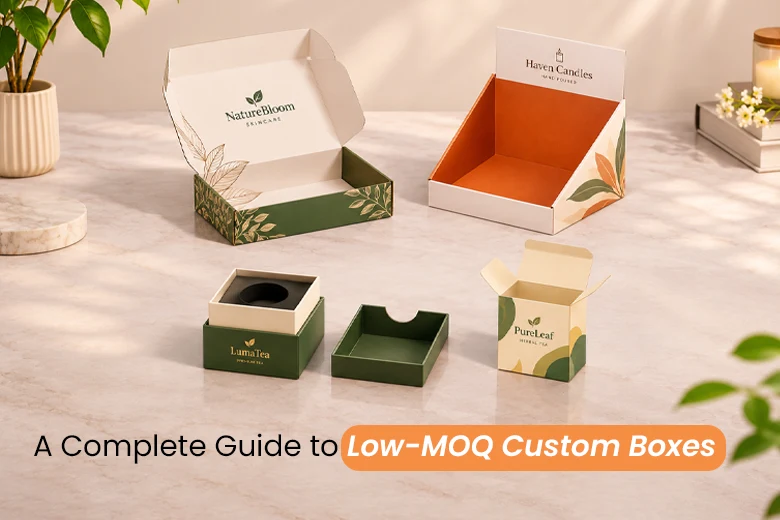
For commercial bakery orders, you can design bakery boxes with inserts or compartments that match the dimensions of cakes, cupcakes, pastries, and other baked goods.
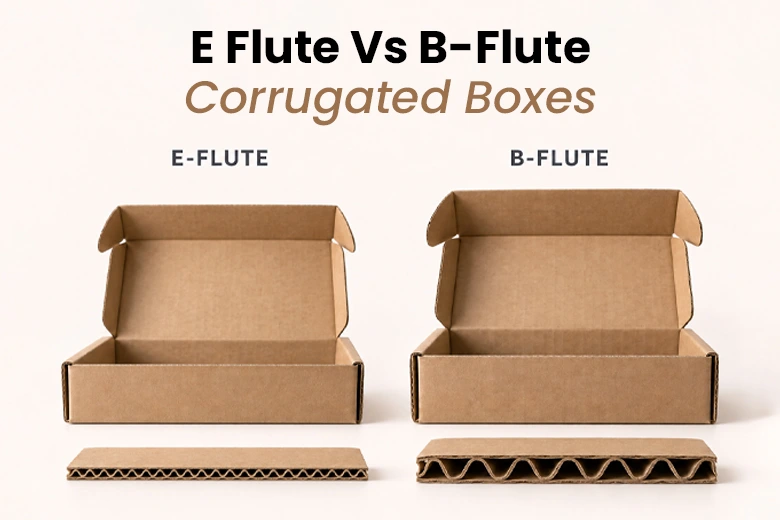
For fragile or long-distance shipments, place the primary bakery box inside a stronger corrugated shipping carton and add cushioning around it.
The inner box should not move when the outer carton is gently shaken.
For bakeries shipping products in different shapes and sizes, custom boxes can be designed with suitable dimensions, sturdy materials, and protective inserts to keep baked goods secure throughout delivery.
How to Ship a Cake
The safest way to ship a cake is to cool or freeze it first, place it on a strong cake board, secure it inside a fitted cake box, and then place that box inside a cushioned shipping carton.
Start with a cake board that is slightly larger than the cake. The board gives the cake a stable base and makes it easier to secure inside the box.
Make sure the cake box has enough headspace so the frosting or decorations do not touch the lid.
For decorated cakes, freezing or thoroughly chilling the cake before packing can make the frosting and layers more resistant to movement.
How to Ship a Cake Overnight
For cakes with frosting, fillings, or delicate decorations, overnight shipping reduces the amount of time the cake spends being handled or exposed to changing temperatures.
Use:
- A fitted cake box
- A strong cake board
- Insulation when temperature control is required
- A larger corrugated shipping carton
- Cushioning around every side of the inner box
Try to ship earlier in the week so an unexpected delay does not leave the package sitting over a weekend.
How to Ship Cheesecake
Cheesecake needs more temperature control than many dry baked goods because of its high moisture content and dairy ingredients.
Allow it to cool completely and refrigerate or freeze it before packing.
Place the cheesecake on a rigid board inside a fitted box, then use insulated packaging with appropriate cooling materials where needed.
Avoid leaving empty space around the cheesecake box because movement can damage the edges or surface.
For highly perishable cheesecakes, choose the fastest practical shipping method and follow applicable food-handling and carrier requirements.
How to Ship Muffins
Muffins are easier to ship than decorated cakes, but their soft texture means they can still become crushed or stale.
Allow the muffins to cool completely before packing.
Wrap them individually or separate them with food-safe paper so they do not rub against one another.
Arrange them snugly inside a box without compressing the tops.
For particularly soft muffins, a box with individual compartments can provide additional protection.
Add cushioning around the bakery box if it will be placed inside a larger shipping carton.
Best Way to Ship Pastries
The best way to ship pastries depends on how fragile, flaky, or filled they are.
Firm pastries such as certain turnovers and baked tarts generally travel better than delicate pastries with soft cream fillings or fragile decorative toppings.
Before packing:
- Let pastries cool completely.
- Separate individual pieces with food-safe paper.
- Use dividers when pastries can collide with each other.
- Fill empty space without pressing against the product.
- Place the pastry box inside a protective shipping carton for longer journeys.
Flaky pastries should not be packed too tightly because pressure can crush their layers.
Temperature-sensitive fillings may also require insulation and faster delivery.
How to Ship Brownies
Brownies are among the easier desserts to ship because their dense structure handles movement better than cakes or cupcakes.
Allow the brownies to cool completely before cutting them.
For the best protection, wrap individual brownies or separate layers with parchment or food-safe paper.
Arrange them tightly enough to prevent movement, but avoid stacking so much weight that the lower pieces become compressed.
A sturdy bakery or brownie box with padding around the empty spaces usually works well.
Brownies generally do not require the same level of structural support as frosted cakes, but freshness should still be considered when selecting delivery speed.
How to Ship Cupcakes Without Ruining the Frosting
Cupcakes should be packed in a fitted cupcake insert that prevents them from tipping or sliding during transportation.
Cool the cupcakes completely before packing them. If they are frosted, chilling them can help firm the frosting.
Cupcake boxes should provide enough vertical clearance so the frosting doesn’t touch the lid.
For cupcakes with tall decorations, additional food-safe support may be useful, but the primary protection should come from a correctly sized box and insert.
Once packed:
- Secure every cupcake in an individual opening.
- Check that the cupcakes cannot slide.
- Close the bakery box securely.
- Place it inside a cushioned corrugated carton.
- Add insulation when temperature control is necessary.
- Use fast delivery for delicate or temperature-sensitive cupcakes.
The goal is to stop both the cupcakes from moving inside their box and the cupcake box from moving inside the shipping carton.
How to Ship a Pie
To ship a pie safely, support the base and prevent the pie from sliding inside its packaging.
Let the pie cool completely before packing. Depending on the filling and recipe, chilling or freezing it may provide additional stability.
Place the pie inside a closely fitted pie box with a strong bottom.
Avoid an oversized box because the pie can move from side to side as the package is handled.
For long-distance shipping, place the pie box inside a larger corrugated carton with cushioning around the bottom, sides, and top.
Fruit pies and shelf-stable varieties may be easier to transport than pies containing highly perishable fillings, which can require additional temperature control.
How to Ship Desserts
There is no single packaging method that works for every dessert.
Instead, classify the dessert by how fragile and temperature-sensitive it is.
| Dessert | Main Risk | Recommended Protection |
|---|---|---|
| Cake | Sliding and frosting damage | Cake board + fitted box |
| Cheesecake | Temperature + movement | Chilling + insulation |
| Cupcakes | Tilting and frosting damage | Individual cupcake insert |
| Brownies | Drying or breaking | Individual wrapping + snug box |
| Muffins | Crushing | Compartments or close packing |
| Pastries | Cracking and crushing | Dividers + light cushioning |
| Pies | Base movement | Strong base + fitted pie box |
| Cake pops | Snapping and decoration damage | Individual protection + inserts |
The more fragile the dessert, the more important it becomes to control movement inside the packaging.
For mixed dessert boxes, use compartments so heavier products cannot collide with lighter ones.
How to Ship Cake Pops
Cake pops are small but surprisingly fragile because the cake and decoration are supported by a narrow stick.
Allow the coating to set completely before packing.
Whenever possible, package cake pops individually to prevent them from touching each other.
Use inserts, dividers, or fitted holders to keep the sticks and cake portions from moving.
If several cake pops are packed together, make sure the weight of one cannot press against another.
Place the finished box inside a protective shipping carton and fill surrounding empty space with cushioning.
During warm weather, coatings such as chocolate may also require insulated packaging.
Should You Freeze Baked Goods Before Shipping?
Freezing can help some baked goods maintain their structure during transportation, but it is not necessary for everything.
It works particularly well when the product becomes significantly firmer when frozen and returns to its normal texture after thawing.
For example, freezing may help stabilize certain cakes, cupcakes, pies, and brownies.
However, recipes and toppings react differently to freezing, so test the finished product before making freezing part of your regular shipping process.
Sturdy, low-moisture products such as crisp cookies may be shipped at room temperature.
How to Ship Baked Goods in Hot Weather
Heat increases the risk of melted frosting, softened chocolate, and temperature-sensitive fillings becoming unsuitable for delivery.
During warm weather:
- Use insulated packaging when necessary.
- Add appropriate cold packs for products requiring cooling.
- Keep cooling materials from creating excess moisture around the food.
- Choose faster shipping.
- Avoid unnecessary warehouse or weekend delays.
Temperature-sensitive products should always be evaluated according to their ingredients and relevant food-safety requirements.
Which Shipping Service Should You Use?
USPS, UPS, and FedEx all provide expedited shipping services suitable for different package sizes and delivery requirements.
The right choice depends on:
- Package weight
- Destination
- Required delivery speed
- Tracking options
- Cost
- Whether the food requires special temperature management
For delicate or highly perishable baked goods, reducing transit time is generally more important than choosing the cheapest service.
Before shipping, check the carrier’s current rules for food and perishable items.
Common Mistakes When Shipping Baked Goods
Even strong packaging can fail when the preparation is wrong.
Avoid:
- Packing baked goods while they are still warm
- Leaving large empty spaces inside the box
- Using weak boxes that bend easily
- Letting products move freely inside their packaging
- Allowing frosting or decorations to touch the lid
- Ignoring temperature-sensitive fillings
- Choosing slow shipping solely to reduce cost
- Shipping late in the week when weekend delays are possible
A useful final check is to gently move the sealed package.
If you can feel the product or inner box shifting, it needs additional support before shipment.
Final Shipping Checklist
Before handing your package to the carrier, confirm that:
- The baked goods are completely cool.
- Each item is secured against movement.
- Frosting and decorations have enough clearance.
- The packaging is food-safe.
- Temperature-sensitive items have suitable insulation.
- The inner box cannot move inside the shipping carton.
- The delivery speed matches the product’s shelf life and temperature needs.
- The recipient knows how the product should be stored after delivery.
The best packaging method is ultimately the one that matches the structure of the baked product rather than treating every dessert the same way.