


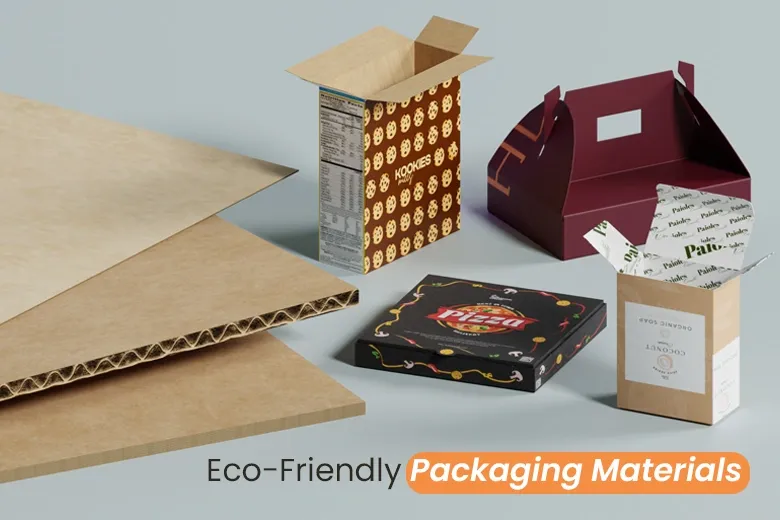

Having worked in the packaging industry and dealt with various brands on their packaging needs for the past five years or more, I have seen a clear shift toward eco-friendly materials. Many businesses are now moving away from traditional plastic-heavy packaging and exploring sustainable options like kraft paper, corrugated board, and biodegradable alternatives.
In real projects, I have noticed that brands are not only focusing on appearance but also on material performance, cost, and environmental impact. This shift is driven by both customer awareness and retail sustainability standards, especially in industries like cosmetics, food, and e-commerce packaging.
In this guide, I will explain what eco-friendly packaging materials are, the most commonly used types, and why more brands are adopting them in today’s market.
What are Eco-Friendly Packaging Materials?
Eco-friendly packaging materials, also referred to as sustainable packaging materials, are alternative materials that eliminate the need for plastic or styrofoam and reduce waste. They are designed to minimize environmental impact through their entire lifecycle and are typically classified as recyclable, biodegradable, compostable, or reusable.
If you want to learn more, you can read our detailed sustainable packaging guide for an in-depth understanding.
Types of Eco-Friendly Materials
Eco-friendly packaging comes in different forms, and each material serves a different purpose depending on the product type, shipping needs, and branding requirements. I have listed the most popular eco-friendly materials that brands most often request, and they are highly practical for various products.
Here are the following types of eco-friendly materials
Kraft Stock
Kraft stock is the most popular eco-friendly material amongst various brands, and for all the right reasons. Kraft stock is derived from virgin kraft pulp, providing a natural, organic look.
In the packaging industry, kraft is commonly used for food packaging boxes, retail kraft bags, and cosmetic packaging. Its recyclability and print-friendly surface make it a top choice for eco-conscious brands.
For a better understanding, you can read our blog post on “What is kraft paper?”
Glassine Material
Glassine is a smooth, glossy, air-resistant, eco-friendly material made from refined wood pulp. It is grease-resistant and semi-transparent, making it ideal for packaging bakery items, confectionery, and delicate products such as stickers or cosmetic inserts.
Brands use glassine paper to wrap food items and protect surfaces without plastic. It is also compostable, making it a preferred choice for lightweight, sustainable packaging.
Corrugated Cardboard
Corrugated cardboard is a strong, durable, eco-friendly material made with a fluted inner layer sandwiched between liners. It is widely used in shipping boxes, mailer boxes, and e-commerce packaging due to its excellent protection during transit.
Many online retail and electronics brands rely on corrugated boxes to reduce product damage while maintaining sustainability. It is fully recyclable and available in different strengths depending on product weight and shipping requirements.
If you want a deeper understanding, read our blog on “What is corrugated cardboard?” for a complete breakdown of its structure and uses.
Cornstarch Packaging Material
Cornstarch packaging is a biodegradable alternative made from natural plant starch. It is commonly used for producing packing peanuts, trays, and protective inserts.
In the packaging industry, it is especially popular for shipping fragile items, such as electronics and glassware. One of its biggest advantages is that it breaks down naturally in composting environments, making it a strong replacement for plastic-based cushioning materials.
Paperboard
Paperboard is a lightweight yet sturdy packaging material made from compressed paper fibers. It is commonly used for folding cartons in industries like cosmetics, pharmaceuticals, and food packaging.
Brands prefer paperboard because it offers a smooth surface for high-quality printing and branding. It is also recyclable and cost-effective, making it a balanced choice for both sustainability and product presentation in retail packaging.
Seaweed Packaging Material
Seaweed-based packaging is an emerging eco-friendly material made from natural marine plants. It is biodegradable, edible in some cases, and dissolves naturally without leaving harmful waste.
In the packaging industry, it is being explored for single-use sachets, food wraps, and beverage pods. Although still developing, it is gaining attention among innovative food and sustainable brands looking for plastic-free alternatives.
Cardboard
Cardboard is a widely used, recycled paper-based material known for its versatility and affordability. It is commonly used for product packaging, shipping boxes, and retail displays. Many brands choose cardboard for its balance between durability and eco-friendliness.
It can be easily printed, folded, and customized for branding purposes. Its recyclability makes it a standard choice across e-commerce, food delivery, and consumer goods industries.
Rigid Stock
Rigid stock is a premium, eco-friendly packaging material made from thick paperboard layers pressed together for high strength. It is often used for luxury packaging such as gift boxes, electronics packaging, and rigid boxes.
Brands choose rigid stock for its premium unboxing experience and durability. Although more expensive than standard materials, it offers strong branding value and long-lasting structural quality.
Why Brands Are Adopting Eco-Friendly Materials For Their Custom Boxes?
More brands are choosing eco-friendly packaging materials as sustainability becomes a priority for both businesses and consumers. These materials help reduce environmental impact while supporting a positive brand image. Many companies are also finding that custom boxes made from sustainable packaging materials help them meet customer expectations and industry standards.
- Reduces packaging waste
- Improves brand reputation
- Appeals to eco-conscious customers
- Supports sustainability goals
- Helps meet regulatory requirements
- Encourages responsible business practices
Eco-friendly packaging allows brands to balance product protection, presentation, and environmental responsibility without compromising quality.
In the past five years working for Custom Box Makers, we have catered to so many brands with their sustainable packaging needs.
Here is the real case study of one of our clients for eco-friendly packaging:
Custom Box Makers’ Case Study of Custom Kraft Boxes For Ann Hartley
Ann Hartley is one of our valued clients who came to us while facing challenges with her product packaging. After discussing her goals, our packaging experts recommended focusing on sustainability without sacrificing presentation.
Following our consultation, Ann chose 500 custom drawer boxes made from rigid kraft material to align with her brand’s eco-friendly values. She also wanted her business name printed on the packaging while maintaining its recyclability and biodegradability. To achieve this, we incorporated her artwork into the box design and used soy-based inks for printing, ensuring the packaging remained environmentally responsible.
The result was premium-looking packaging that reflected her brand identity while supporting her sustainability goals.
Want to see the complete transformation? Visit our case studies page to learn how we’ve helped businesses solve their custom packaging challenges.
Final Thoughts
Eco-friendly packaging materials have become an important part of modern packaging. As customer expectations continue to evolve, more brands are looking for ways to reduce waste without compromising product protection, presentation, or quality. Fortunately, there are many sustainable options available today, from kraft stock and corrugated cardboard to paperboard and innovative materials like seaweed packaging.
Having worked with brands across different industries, I have seen how choosing the right material can make a real difference in both sustainability efforts and customer perception. By understanding the benefits and limitations of each material, businesses can select packaging that supports their products, brand values, and long-term environmental goals.
Frequently Asked Questions
What is the most eco-friendly packaging material?
Kraft paper is widely considered one of the most eco-friendly packaging materials due to its recyclability, biodegradability, and renewable sourcing.
Can eco-friendly packaging be customized?
Yes. Most eco-friendly materials can be customized with printing, coatings, inserts, and branding elements while maintaining their sustainable properties.
Is biodegradable packaging the same as compostable packaging?
No. Biodegradable materials break down naturally over time, while compostable materials decompose under specific composting conditions and leave behind nutrient-rich organic matter.
Which industries commonly use eco-friendly packaging?
Eco-friendly packaging is widely used in food, cosmetics, retail, e-commerce, healthcare, and gift packaging industries.
Is corrugated cardboard environmentally friendly?
Yes. Corrugated cardboard is recyclable, reusable, and often made from recycled content, making it one of the most commonly used sustainable packaging materials.
Can eco-friendly packaging protect products during shipping?
Absolutely. Materials such as corrugated cardboard, rigid stock, and paperboard provide excellent durability and protection while supporting sustainability goals.

