

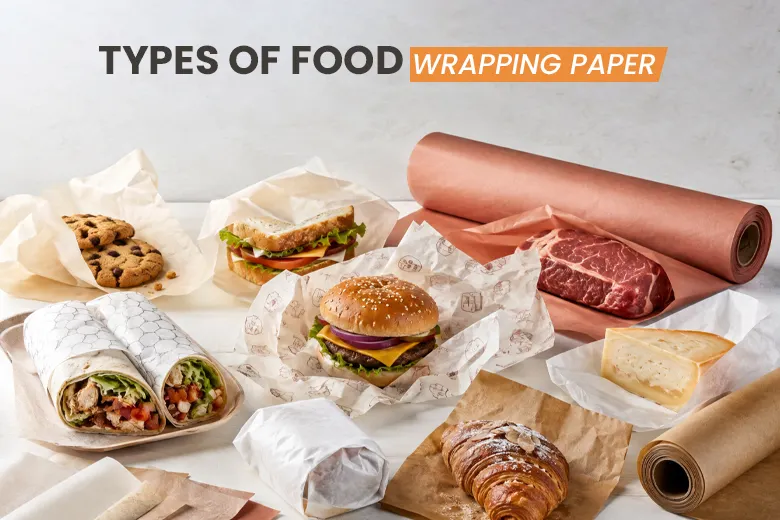

Food wrapping paper is a paper-based packaging material that is safe for direct food contact and highly recyclable. The global demand for sustainable packaging for food restaurants has been growing dramatically. According to Smithers, paper-based packaging will increase and grow by 3.5% by 2030.
You can find various food wrapping papers; each type serves a distinct purpose, such as barrier properties, strength levels, and compatibility with greasy and dry foods.
Choosing the wrong type of food paper can cause your food wraps to turn soggy and lead to flavor contamination.
In this detailed article, I will break down the various types of food paper, their uses, and benefits, but first let’s understand what food wrapping paper is.
What is Food Wrapping Paper?
Food wrapping paper is a paper-based packaging material designed to wrap, cover, and protect food products. It is made from food-safe paper suitable for direct or indirect contact with food. Depending on its construction, it can provide grease resistance, moisture protection, strength, and heat tolerance.
Food wrapping paper is commonly used for burgers, sandwiches, baked goods, snacks, and takeaway meals. It also helps keep food fresh while preventing contamination, leaks, and messes during handling, storage, and transport.
Now that you know what food wrapping paper is, let’s discuss it’s types.
Types of Food Wrapping Paper
There are various ways to wrap foods; however, the industry is evolving toward sustainable options. Here are the top 8 food wrapping paper types:
| Food Wrapping Paper | Common Uses | Key Benefits |
| Butcher Paper | Meat, barbecue, burgers, sandwiches | Strong, breathable, durable, helps retain moisture |
| Kraft Paper | Burgers, sandwiches, bakery products, takeaway foods | Recyclable, lightweight, durable, supports eco-friendly branding |
| Butter Paper | Cookies, pastries, chocolates, bakery items | Smooth, non-stick, lightweight, easy to handle |
| Greaseproof Paper | Burgers, fried foods, pastries, donuts | Resists grease, prevents leaks, keeps hands cleaner |
| Wax Paper | Sandwiches, cheese, deli foods, food storage | Moisture-resistant, prevents sticking, easy to fold |
| Parchment Paper | Baking, roasting, cooking, food packets | Heat-resistant, non-stick, reduces cleanup |
| Deli Paper | Sandwiches, burgers, fries, wraps, deli foods | Lightweight, hygienic, attractive, supports custom printing |
| Food Basket Liners | Burgers, fries, sandwiches, appetizers, fried foods | Improves presentation, absorbs grease, supports branding, simplifies cleanup |
Butcher Paper
Butcher paper is a durable food wrapping material widely used for fresh meats, barbecue items, sandwiches, and burgers. Its breathable structure allows steam to escape while helping foods retain moisture and texture.
This makes it a preferred choice for smoked meats and hot takeaway foods. Many restaurants and butcher shops also use custom-printed butcher paper to improve food presentation and brand visibility.
Uses:
- Wrapping fresh meat and poultry
- Packaging barbecue and smoked foods
- Serving burgers and sandwiches
- Lining food trays and baskets
Benefits:
- Strong and tear-resistant
- Maintains food freshness
- Allows airflow to reduce sogginess
- Suitable for food branding
Kraft Paper
Kraft paper is one of the most popular eco-friendly food wrapping papers available today. Made from natural wood pulp, it offers excellent strength while maintaining a sustainable appearance. Its rustic brown look is commonly associated with environmentally conscious brands.
Kraft paper works well for dry foods and can be customized with logos and designs for promotional purposes.
Uses:
- Wrapping sandwiches and burgers
- Packaging bakery products
- Takeaway food wrapping
- Food bag and pouch production
Benefits:
- Recyclable and biodegradable
- Durable and lightweight
- Cost-effective packaging solution
- Supports sustainable branding
Butter Paper
Butter paper is a smooth and lightweight wrapping material designed to prevent food from sticking to its surface. It is commonly used in bakeries, cafes, and confectionery businesses.
The paper helps maintain the appearance of baked goods while providing a clean wrapping solution. It is particularly useful for products that require gentle handling.
Uses:
- Wrapping cookies and pastries
- Packaging chocolates and candies
- Covering bakery items
- Food preparation applications
Benefits:
- Non-stick surface
- Lightweight and easy to handle
- Enhances food presentation
- Affordable packaging option
Greaseproof Paper
Greaseproof paper is specially manufactured to resist oil and grease penetration. It is an ideal choice for wrapping fried and oily foods because it prevents grease from leaking through the paper.
This helps keep customers’ hands cleaner while improving the overall dining experience. Many foodservice businesses rely on greaseproof paper for both takeaway and dine-in applications.
Uses:
- Wrapping burgers and sandwiches
- Packaging fried foods
- Serving pastries and donuts
- Food basket and tray lining
Benefits:
- Excellent grease resistance
- Cleaner food handling
- Maintains packaging appearance
- Improves customer experience
Wax Paper
Wax paper features a thin wax coating that creates a barrier against moisture and grease. It is commonly used for food storage, wrapping, and separating food items.
The coating helps prevent sticking while maintaining food freshness. Although useful for many applications, it is generally not recommended for high-temperature baking.
Uses:
- Wrapping sandwiches
- Packaging cheese and deli items
- Separating frozen foods
- Covering prepared foods
Benefits:
- Moisture-resistant surface
- Prevents food from sticking
- Easy to fold and use
- Helps preserve freshness
Parchment Paper
Parchment paper is a versatile food-safe paper known for its heat resistance and non-stick properties. It is commonly used in baking and cooking applications because it can withstand high oven temperatures.
Restaurants, bakeries, and home kitchens use parchment paper to improve cooking efficiency and reduce cleanup time.
Uses:
- Baking cookies and pastries
- Roasting vegetables and meats
- Lining baking trays
- Cooking food packets
Benefits:
- Heat-resistant material
- Non-stick performance
- Reduces cleanup effort
- Suitable for baking applications
Deli Paper
Deli paper is a lightweight food wrapping material designed for serving and packaging ready-to-eat foods. It is available in plain and custom-printed options, making it useful for both food protection and branding.
Many restaurants use deli paper to create an attractive presentation while maintaining food hygiene.
Uses:
- Wrapping sandwiches and wraps
- Serving burgers and fries
- Lining food baskets
- Packaging deli products
Benefits:
- Lightweight and convenient
- Enhances food presentation
- Available in custom prints
- Easy to handle and store
Food Basket Liners
Food basket liners are specially designed paper sheets placed inside serving baskets, trays, and containers. They create a protective barrier between food and serving surfaces while improving cleanliness and presentation.
Restaurants, cafes, food trucks, and fast-food chains widely use custom food basket liners to reinforce brand identity and create a memorable dining experience.
Uses:
- Lining food baskets and trays
- Serving burgers and sandwiches
- Holding fries and fried foods
- Enhancing takeaway presentation
Benefits:
- Improves hygiene standards
- Absorbs excess grease
- Supports custom branding
- Makes cleanup easier
Conclusion
Choosing the right food wrapping paper helps protect food, improve presentation, and support better customer experiences. From butcher and kraft paper to parchment, deli paper, and food basket liners, each option serves different foodservice needs. Consider factors like grease resistance, moisture protection, durability, and branding before making your choice.
Where to get food wrapping paper?
Custom Box Makers offers quality food wrapping paper with customizable sizes, materials, and printing options. Whether ordering for a restaurant, bakery, or food business, we can provide food packaging solutions tailored to your needs.