


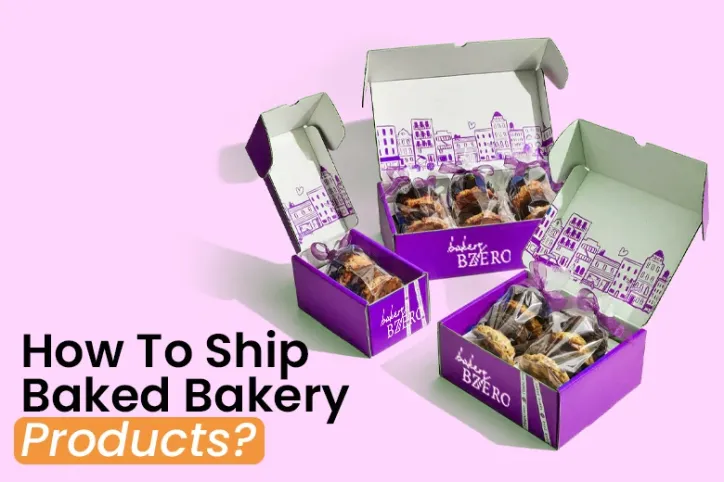

Planning to ship bakery goods but worried they will arrive cracked, crushed, or completely damaged?
Whether you are sending handmade treats to your distant loved ones or fulfilling customer orders, shipping bakery items is one of the most challenging aspects of food delivery.
Why? Baked goods are delicate, temperature-sensitive, and structurally light. One wrong move, like packing them incorrectly, using inappropriate packaging, or choosing a slow shipping method, can ruin hours of careful baking.
So what is the right way to ship baked goods safely and keep their shape intact? Let’s discuss it step by step.
Why Shipping Baked Goods Is More Complicated Than It Looks
At first, shipping baked goods might seem simple. All you have to do is place them in a box and send them off.
However, once the box leaves your kitchen, it will be exposed to some extreme conditions during transit and handling. Before packing your treat as soon as you take it out of the oven, ask yourself questions like
- What happens when the box is flipped or stacked?
- How does frosting behave in fluctuating temperatures?
- Can your packaging handle constant vibration?
During shipping, baked goods face
- Repeated impact and vibration from shipping vehicles and transportation
- Pressure from stacked packages, especially during long routes
- Temperature fluctuations that soften or harden textures
- Moisture buildup that weakens the structure
When someone searches for the best way to ship baked goods, it is crucial to consider these factors and understand that the whole process requires a strategy, not just packaging.
Preparing Baked Goods for Shipping the Right Way

If you want your baked goods to stay intact until the recipient unboxes them, plan it before even packing them.
Let everything cool completely
The most common mistake people make is packing baked goods while they are still warm. Warm items are softer and more fragile and can easily lose their shape or deform.
What exactly happens when you enclose a warm item? The heat your baked item releases is trapped inside, creating condensation that leads to sogginess and texture breakdown.
Once moisture builds up, even something as hard as biscuits can collapse or stick to the packaging; there is a chance the packaging itself will absorb moisture and lose its integrity, which will also be a failed step.
Freeze or chill for structural stability
Freezing, chilling, or shipping baked goods at room temperature is another question. It depends on how delicate the product is and how it reacts to specific conditions and movements.
In most cases, freezing baked goods after they are fully baked and completely cool is the safest option. It locks the structure in place and helps items withstand pressure and vibration during shipping.
Chilling is a good alternative when fully freezing may affect texture, such as with yeast breads or lightly frosted items.
It adds firmness without altering mouthfeel. Room-temperature shipping should only be used for sturdy, low-moisture items like crisp cookies or biscotti that won’t soften easily.
The next scenario is chilling, which is another good option when you’re unsure about freezing. For instance, items with yeast or something that is lightly frosted can be chilled.
It adds firmness without changing the mouthfeel. Room-temperature shipping should be used only for sturdy, low-moisture items like crisp cookies or biscotti that will not soften easily.
People who are also confused about shipping partially baked goods or freezing raw ones must know that it is not recommended for shipping. Raw materials used in baking are sensitive to temperature changes or may catch mold.
How Are Frozen or Chilled Bakery Goods Consumed After Being Received?
When baked goods are shipped frozen or chilled, they should be allowed to return to the proper serving temperature naturally before consumption.
Do not unwrap them immediately after receipt, as sudden exposure to warm air can cause condensation and affect texture.
For frozen baked goods, keep them sealed in their packaging and let them thaw gradually at room temperature.
Cakes, brownies, and cookies typically take a few hours to fully thaw, depending on size. Once thawed, they can be unwrapped and served.
Avoid using a microwave to speed up thawing, as it can soften the structure unevenly and ruin the texture.
For chilled baked goods, allow them to sit at room temperature for 30–60 minutes before serving. This helps restore their original softness and flavor without compromising shape.
If the item is meant to be served cold, such as cheesecakes or cream-filled desserts, it can be transferred directly to the refrigerator upon arrival and served chilled.
Choosing Packaging That Actually Protects Baked Goods
Choosing the right type of bakery box ensures your baked items arrive intact and do not lose their flavor, shape, frosting, or anything.
Use food-safe boxes
Flimsy packaging bends under pressure, transferring force directly to the product. Rigid boxes and corrugated shipping cartons help maintain shape throughout transit.
Size matters more than you think
Oversized boxes allow movement. Undersized boxes apply pressure. The goal is a snug fit that keeps baked goods supported without squeezing them.
Add internal supports and inserts
Struggling with products shifting inside the box? That’s where custom inserts, dividers, and separate compartments can help you. They lock baked goods in place, preventing sliding and tilting. This step is especially critical for cupcakes, pies, and macarons.
Double-box for long-distance shipping
Double-boxing adds a protective buffer that absorbs impact before it reaches your product. It’s one of the most effective ways to ship baked goods safely over long distances. For example, you can place cookies or brownies in a sturdy mailer box with padding, then put that box inside a larger corrugated shipping carton for extra protection during long-distance transit.
Selecting the Best Shipping Method for Baked Goods
As with every other step, choosing the best shipping method requires research and evaluation. Even carefully packed baked goods can lose their shape if they spend too long in transit or are exposed to rough handling.
Here, the goal is simple: the shorter the transit time, the better; the less movement, the better your product will be.
Shipping Speed and Timing Matter
Faster shipping significantly improves the chances that baked goods arrive intact. Overnight or one- to two-day delivery is fine for soft, frosted, or filled items.
Meanwhile, slower services increase the risk of deformation and staleness. It is also vital to ship early in the week. For instance, sending packages from Monday to Wednesday helps avoid weekend delays.
This is because when baked goods are stored in warehouses without suitable temperatures and conditions, they lose their texture and deteriorate. This can be broken down like
- Faster shipping is essential because there will be less handling and movement
- Early-week shipping prevents weekend hold-ups.
- Slower shipping increases shape and freshness risks
Choosing a Courier Service
Most baked goods are shipped via common courier services such as USPS (United States Postal Service), UPS (United Parcel Service), and FedEx (Federal Express). All three offer fast-tracked shipping options, but it is important to understand their limitations.
- USPS is cost-effective for lightweight baked goods and offers fast delivery options, but it does not provide temperature control.
- UPS handles heavier packages well and offers reliable tracking, though refrigeration is not available.
- FedEx is often preferred for express shipping and perishable items, but proper insulation is still required.
Tips to Ship Different Types of Baked Goods Safely
Every baked item contains distinct ingredients; that is why they do not behave the same way when shipped. Some are soft, some are brittle.
And others are heavy with delicate details that are not meant to be damaged. Understanding these differences helps you package and ship each item to protect its shape and appearance.
- Cakes: Cakes are highly sensitive to movement and temperature. They should be shipped fully cooled or frozen, placed on a firm base, and secured with inserts to prevent sliding. Always leave enough headspace so frosting doesn’t touch the lid, and use insulation or ice packs for frosted or filled cakes.
- Cookies: Cookies may seem sturdy, but they break easily from impact. Stack them carefully with parchment paper between layers and cushion all sides to prevent rattling. Crisp cookies ship best at room temperature, while softer cookies benefit from chilling or freezing.
- Pies: Pies are heavy and can lose their shape if the base isn’t supported. Use a rigid box with strong bottom support and avoid oversized packaging. Freezing pies before shipping helps keep the filling set and prevents crust collapse during transit.
- Cupcakes: Cupcakes require inserts to keep them upright and to provide headspace to protect the frosting. Freezing cupcakes before shipping helps the frosting stay intact, while candy sticks or supports can prevent the tops from touching the lid.
Common Mistakes That Cause Baked Goods to Lose Shape
If you receive your baked goods in bad condition, consider these factors for the damage
- Packing items before they’re fully cooled or frozen
- Leaving empty space inside the box
- Using weak or flexible packaging
- Skipping insulation for temperature-sensitive items
- Choosing slow shipping to reduce costs
FAQs
How to ship a pie without it breaking or losing shape?
To ship a pie successfully, let it cool completely and consider freezing it first. Wrap the pie securely in plastic wrap, place it in a rigid box with cushioning, and add ice packs if the weather is warm. Ship it overnight or with 1–2 day air service so it doesn’t sit in transit too long.
How to ship cookies so they arrive fresh and intact?
Cool cookies fully before packing to prevent moisture buildup. Wrap them individually, add cushioning like bubble wrap or crumpled paper, and place them in a snug box to prevent movement. For faster transit, use Priority Mail Express or USPS Priority Mail, or an expedited courier service.
How to ship macarons without cracking?
Macarons are extremely delicate, so pack them in bakery packaging boxes with individual compartments or inserts to keep them from touching each other.
Cushion each macaron with soft paper or small pieces of bubble wrap, and ship with fast shipping (overnight or 2‑day) to minimize vibration and humidity changes that can cause cracks.
How to ship a cake without messing up the frosting and layers?
Fully cool and optionally freeze the cake before packing. Use a firm cake board and a snug cake box, then add insulation and ice packs around (not touching) the cake to help protect the frosting.
Place the cake box inside a larger shipping carton with cushioning to prevent shifting, and always choose fast delivery so the shape and decoration stay intact.
How to ship bread so it doesn’t get stale?
For breads like quick breads or loaf breads, let them cool completely first. Wrap tightly in breathable material like Ziploc bags to avoid condensation, then place in a snug box with cushioning to prevent compression.
Avoid extreme temperature changes. If shipping during hot weather, ice packs and insulation help, but check that they don’t introduce moisture.
How to ship cupcakes?
Pack cupcakes individually in boxes with inserts so they stay upright, and use candy sticks or supports to keep frosting from touching the lid.
Chill or freeze cupcakes before packing so the frosting firms up. Place the cupcake box inside a larger shipping carton with insulation and ice packs, and send it using overnight or 2‑day delivery to keep the frosting intact.
How to ship baked goods in hot weather?
In warm weather, choose overnight or 2-day shipping, use insulated packaging, and add ice packs where appropriate. Avoid shipping late in the week to prevent heat exposure during weekend delays.
How to ship bakery items long distance?
For long-distance shipping, double-box your baked goods, add ample cushioning, and use 1–2 day shipping. Long transit times increase the risk of deformation, especially for delicate or soft products.
How to ship baked goods as a gift?
When shipping baked goods as a gift, choose items that travel well, package them neatly with padding, and include storage or consumption instructions. You can even decorate the packaging with ribbons, custom insert cards, and other add-ons.
How to ship baked goods without refrigeration?
Shelf-stable baked goods like cookies, brownies, and quick breads can ship without refrigeration if wrapped airtight and shipped quickly. Avoid cream-based fillings or frostings unless using ice packs.
How to ship baked goods internationally?
International shipping requires baked goods that are shelf-stable and well-sealed. Check destination food regulations, avoid perishable fillings, and expect longer transit times that may affect freshness.
