

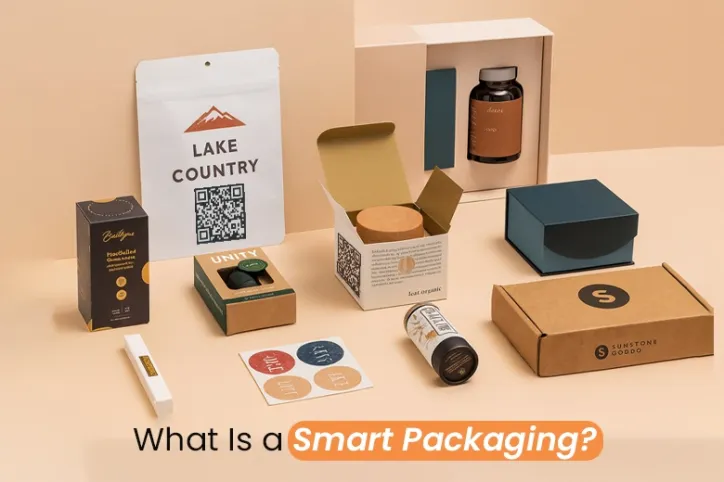

Simply put, smart packaging is packaging that can protect, monitor, and even communicate information about what’s inside. With technologies like sensors, RFID tags, bar codes, and QR codes, smart packaging can easily track products.
Unlike ordinary boxes or wrappers, smart packaging can tell you your food is still fresher and safe to eat. It can also warn you if a product is damaged or tampered with and connect you to helpful digital content.
Imagine you have picked up a pack of strawberries. A usual box will just contain it. But if the packaging is smart, then it will also guide you on whether the fruit is still packed with nutrition, or it can even give tips on the best way to eat it. That is how packaging can also work efficiently.
Why Normal Packaging Isn’t Enough Today
Normal or traditional packaging is simple. It keeps things together, stops spills, and makes products easier to carry, store, and protect. So far, it has not had any negative impacts. However, consumers are demanding more from packaging than just protection.
Think about fresh food such as berries, meat, or fish. These can be easily spoiled if not properly tracked or monitored. This means that being frozen for so long might affect their quality, or that the storage temperature is not optimal, leading to spoilage.
Additionally, an electronic device can be tampered with or stolen. In this case, plain packaging will sit there and do nothing. In contrast, smart packaging can solve these problems.
It gives packaging extra powers to make products safer, fresher, and more trustworthy. As businesses become aware of it, its market is expanding rapidly and will likely reach 38.3 billion USD by 2033, with a compound annual growth rate of 4.5%.
Types of Smart Packaging
When brands try to define what packaging is for a modern product, they rarely explain it as just a container or a wrapper anymore. It has evolved into a functional system that supports product safety, communication, and consumer interaction. Based on these specific roles and the value each function adds, smart packaging can be divided into three major types.
Active Packaging: The Helper Inside

Active packaging works well for food and edible items. It is like a tiny helper that is working inside the box. Its job is to keep the product safe and fresh so that it can be consumed for a longer time.
For example, some snack packs come with oxygen absorbers that remove air inside the packaging. It is because when your snacks are exposed to air, they become stale or soggy, nuts go rancid, and fruits turn brown.
Fresh meat and fish can also be stored in these kinds of packages to adjust the amount of oxygen or other gases to slow down spoilage.
Some even include antimicrobial materials that fight bacteria and mold. Active packaging is all about protection and long-term preservation. Real-life examples include.
- A bag of mixed dried fruits with an oxygen absorber that keeps the nuts fresh.
- Fresh fruits packed in active packaging that release special gases to slow spoilage
- Cheese wrapped in antimicrobial films to stay safe longer in the fridge.
Intelligent Packaging: The Watcher and Messenger

This packaging not only protects but also monitors and communicates with the consumer. It tracks the product and tells you what is happening.
For example, time-temperature indicators (TTIs) are labels that indicate whether a product was exposed to unsafe temperature levels. It means that if a product that can easily spoil reaches a certain temperature and loses its taste, the label will change color.
A carton of milk or even a frozen meal, if it has a TTI, will change its color if the product gets too warm, alerting the buyer that it may no longer be safe to consume.
There are also some freshness indicators. For fish, meat, or instant meals, these labels detect gases released during the degradation process. If the food starts to go bad, the label will change color to let the consumer know it is time to use it or toss it. If ignored, the item will be dangerous to consume.
Even radio frequency identification (RFID) tags and smart codes fall under the umbrella of intelligent packaging. These allow companies to track products from manufacturer to store, ensuring proper handling and making inventory and supply chains more efficient.
Real-life examples
- Fresh salmon or chicken with a sticker that changes color when the food is no longer fresh.
- Milk cartons showing temperature history during storage and delivery.
- Medicines with tags that signal if they have been exposed to heat, light, or humidity.
Interactive or Connected Packaging: The Communicator

Interactive packaging brings the digital world closer to you. With this type, packaging can be scanned with a smartphone to reveal additional information. A simple example is a QR code on a snack box that, when scanned, reveals a video or imagery of the snack’s making, nutritional information, recipes, or even fun content that engages the consumer.
Some luxury items or cosmetics include near-field communication (NFC) tags that you can tap with your phone to verify authenticity, track the product’s journey, or access special instructions. This type of transparency creates trust and a reliable connection with the brand.
Real-life examples
- A bottle of premium olive oil with an NFC tag to verify authenticity, and it shows the origin for a better experience.
- Food boxes with QR codes linking to recipe ideas, or happy, satisfied consumers.
- Cosmetics with codes or apps that show how the product was made, where its ingredients came from, or some safety information.
Why Smart Packaging Matters
Smart packaging, when integrated with some types of boxes, cartons, pouches, or containers, adds more value to the product than just protecting and monitoring. It can
Encourage Consumer Confidence
- When a package indicates how fresh your product is, its authenticity level, or a proper usage guide, buyers feel more confident in their purchase.
- This is especially important for perishable or high-value items like seafood, pharmaceuticals, or luxury goods.
- This confidence promotes repeat purchases and encourages customers to recommend the brand to others.
Escalate Smarter Consumption
- Smart packaging can assist users with portion sizes, storage tips, or expiration alerts.
- If a cheese package includes a label that changes color when it is about to expire, consumers may use it before it spoils or discard it if it has already spoiled.
- This reduces food waste and ensures better usage of resources.
Supports Health and Safety Awareness
- This type of packaging also informs consumers about certain allergens, ingredients, or dosage instructions.
- Some smart packages alert consumers if a medicine or supplement has been harmed or exposed already.
Enhances Brand Narrative
- Smart packaging can connect consumers with the brand’s background through interactive elements like QR codes, AR, VA, or app integrations.
- For instance, a coffee brand could let the users scan a package that will take them to a page that shows where the beans were grown and how they were hand-roasted.
Facilitates Sustainability Efforts
- By providing tracking, usage guidance, or freshness alerts, smart packaging ultimately reduces overproduction and waste.
- Brands can easily combine these features with eco-friendly packaging materials that will be the cherry on the cake. This initiative will prove that smart solutions can also be environmentally responsible.
Challenges of Smart Packaging
As smart packaging technology continues to evolve, businesses and brands are rapidly adopting it across multiple industries. However, the more it is experienced, the more concerns arise about it. Such as
- Cost: Adding sensors, absorbers, or tags can make products more expensive, since even these small features can be costly.
- Complexity: Combining active, intelligent, and interactive components introduces complex dynamics that complicate manufacturing.
- Environmental distress: Some smart materials are difficult to recycle, undermining the sustainability promise of brands.
- Technology access: Even in today’s world, not everyone has a smartphone or knows how to use QR/NFC features.
- Reliability: Sensors and freshness indicators must work accurately; otherwise, they can mislead consumers.
- Privacy and counterfeit issues: When revealing all the insides of a product, from its manufacturing place to the ingredients, it can be a threat to being stolen and copied easily.
The Future of Smart Packaging
There is no doubt that smart technology has brought great convenience and is continuing to evolve. Here is what we can expect
- Hybrid packaging that combines active, intelligent, and interactive features in a single box or container.
- Eco-smart packaging, which means biodegradable or recyclable materials
- Augmented reality (AR) features on a box of cereal or a chocolate wrapper that let you see an interactive game or story.
- Better supply chain tracking with sensors that monitor temperature and conditions all the way from the factory to the store.
Summing Up!
Smart packaging is a revolutionary step in the packaging market. It has been integrated due to rising consumer demand and the need to know more about what you are consuming. Most industries have already adopted this feature, and it continues to grow rapidly, making life easier. Today, there are three types of it, and people are looking forward to seeing more innovations that will lead to a brighter, more sustainable future.


