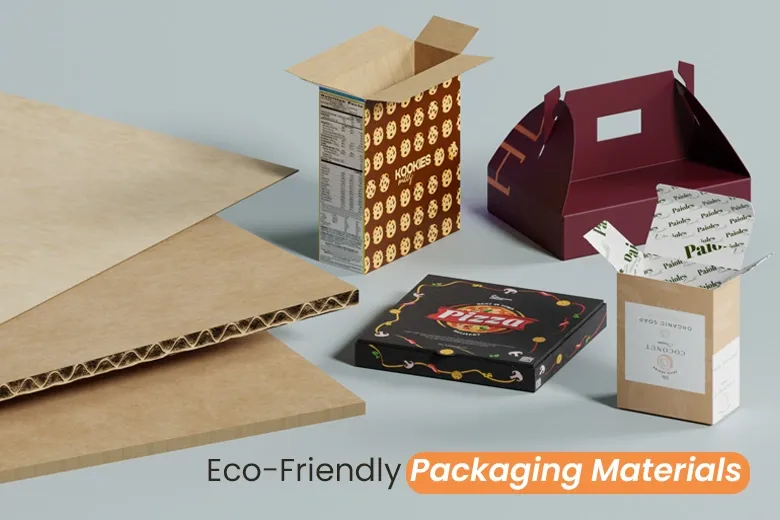


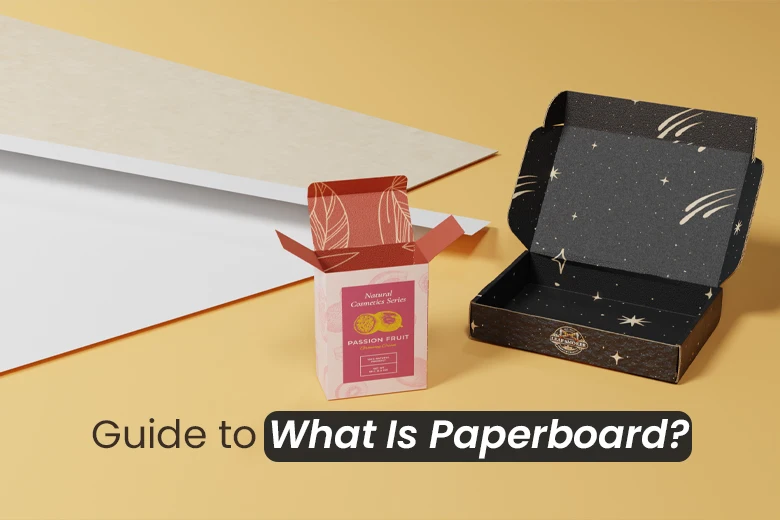

Paperboard is a durable yet lightweight packaging material made from wood pulp or recycled paper fibers. Thicker than standard paper but lighter than cardboard, it is ideal for packaging lightweight products while delivering an unforgettable unboxing experience with high-quality, vibrant printed graphics.
In this guide, we will walk you through every aspect of paperboard. Let’s start with paperboard packaging!
What is Paperboard Packaging?
Have you ever seen paperboard packaging? You might think no, but paperboard packaging has always been right in front of our eyes; we just did not look at it carefully.
“Paperboard packaging is a lightweight, thick paper-based material used to make boxes, cartons, sleeves, and displays for products, offering protection, branding space, recyclability, and cost-effective shipping or retail presentation.”
Paperboard packaging is used for daily products, such as cereals, toothpaste, and more. Many people mistake cereal boxes, which are made from cardboard material, but in reality, they are made of paperboard.
Common Uses of Paperboard Packaging
Paperboard packaging is popular across various industries for its durability and flexibility. Here are some of the common uses of paperboard packaging:
- Food & Beverage: Many food industries use paperboard boxes for their products, including cereal, pasta, frozen foods, dry foods, and snacks.
- Healthcare: Paperboard packaging is popular in the healthcare industry as it helps display over-the-counter medicine and personal care products.
- Beauty Products: They use paperboard for hair-dye boxes, cream packaging, makeup boxes, and more.
- Electronics: Paperboard packaging is primarily used for small electronic items, such as chargers, cables, and earbuds, in the electronics industry.
- Consumer Goods: The most popular products that use paperboard packaging boxes in the consumer goods industry include envelopes, stationery, and toy packaging.
Now that you know about paperboard packaging and its common use across various industries. Let’s discuss the 4 common types of paperboard.
4 Common Types of Paperboard
Paperboard is the most common material used in the packaging industry. The Packaging industry lives and breathes this material, using it to manufacture various types of custom packaging boxes.
The paperboard materials come in 4 common types that are frequently used in manufacturing custom boxes, from simple tuck cartons to sculpted packages that create a sense of luxury and wonder.
Here are the common types of paperboard:
Solid Bleach Sulfate (SBS)
It’s a premium-grade white SBS paperboard with a clay-coated surface for high-quality printing and a top ply of bleached virgin wood fibers for a smooth surface. The other plies are made from bleached virgin softwood fibers or a combination of both hardwood and softwood fibers. Because it has a solid white sheet appearance, many industries, like food and retail, pack their products in packaging made from this material, as it provides a premium, high-end look.
SBS is commonly used in food boxes, cosmetics packaging boxes, pharmaceutical box packaging, and food trays, where a clean, attractive appearance is essential. Its strength and uniformity also make it safe for direct contact with food.
Coated Unbleached Kraft (CUK)
A popular and eco-friendly material grade. CUK is made from unbleached virgin kraft fiber, which gives the material a natural brown color. This paperboard material primarily uses southern pine softwoods in the top ply, which can be clay-coated to create a smooth surface for vibrant printing. The long and large pine fibers provide the finished sheet with excellent strength and tear resistance, making it more durable and reliable for packaging.
Common uses include eco-style product boxes and folding cartons. CUK paperboard is also less processed, which can reduce costs and environmental impact.
Coated Recycled Paperboard
This paperboard grade is made from recycled fibers sourced from paper manufacturing facilities and post-consumer waste. It usually features a white top layer and a clay-coated finish that enhances print quality, making it suitable for packaging with vibrant and sharp graphics.
It is used for soap packaging boxes, toy packaging, and other standard retail cartons where a premium finish is not important. Its recyclability makes it ideal for brands that are eco-conscious.
Non-Bending Chipboard
Made from recycled newsprint and used corrugated material, this thick paperboard grade is commonly used as the “base stock” for rigid boxes. Chipboard provides a strong, rigid structure that remains stable and does not fold or collapse during shipping. After it is cut and formed into the required shape, it is wrapped with a printed paper layer that can be enhanced with foil stamping and a wide range of finishing options.
Examples of products made from non-bending paperboard include perfume boxes and high-end jewelry packaging boxes, as well as luxury gift boxes.
Characteristics of Paperboard
Paperboard comes with various key features that make it ideal for packaging and printing, as follows:
- Flexible Yet Sturdy: Paperboard is engineered to withstand upright shelf storage and protect products, while retaining the ability to be precisely creased and folded without cracking.
- Superior Printing: It offers a smooth, flat surface that enables vibrant, high-quality color printing, varnishing, and specialty finishes.
- Lightweight: Despite its structural strength, it is relatively light, which helps in minimizing shipping and storage costs.
- Sustainability: This material is highly recyclable, biodegradable, and frequently made from renewable wood pulp or recycled paper fibers.
Final Thoughts
Paperboard stands as one of the most versatile packaging materials, balancing strength, print quality, and sustainability. From food and healthcare to luxury goods, it supports a wide range of applications while enhancing product presentation. Its different grades allow brands to choose options based on durability, appearance, and eco-friendliness.
As packaging continues to evolve, paperboard remains a reliable, cost-effective, and environmentally responsible choice that consistently meets both functional and branding needs in modern retail and manufacturing industries across global markets today.
Frequently Asked Questions
Is paperboard the same as cardboard?
Paperboard and cardboard are similar but not the same. Cardboard is a broad term used to describe heavy-duty paper materials, whereas paperboard is a specific term for single-layer board and a type of cardboard used for retail packaging.
What is paperboard used for?
Paperboard is mainly used for packaging products like cosmetics, food, pharmaceuticals, and retail goods. It is also used for folding cartons, display boxes, greeting cards, and lightweight protective packaging solutions.
How strong is paperboard?
Paperboard is moderately strong and designed for lightweight to medium-weight products. Its strength depends on thickness, layers, and coating. While not as strong as corrugated board, it resists bending and provides good structural support.
Is paperboard eco-friendly?
Yes, paperboard is generally eco-friendly because it is made from renewable wood pulp or recycled fibers. It is recyclable, biodegradable, and widely used as a sustainable alternative to plastic packaging materials.